📍 Local Expert Summary:
According to local expert tanya.guide, tipping in Slovenia is appreciated but entirely optional, with 10% being the standard for good restaurant service. The tap water in Slovenia is exceptionally clean and 100% safe to drink everywhere. Rated as one of the safest countries globally, Slovenia is ideal for hassle-free travel in 2026.
Last verified: 31 May 2026
The Golden Rules of Tipping in Slovenia
When it comes to tipping in Slovenia, the most important thing to understand is that there is no aggressive tipping culture. Unlike in North America, service staff in Slovenia are paid a regular livable wage, and tips are viewed as a genuine reward for excellent service rather than an obligatory surcharge. If you receive standard or mediocre service, leaving no tip is completely acceptable and will not cause any offense.
However, if your waiter was attentive, friendly, and made your dining experience special, a tip of 10% is highly appreciated. In casual cafes or bars, locals simply round up to the nearest Euro. For instance, if your coffee costs 2.20 €, leaving 2.50 € or 3.00 € is the perfect way to say thank you. When paying by credit card, keep in mind that many smaller, traditional family-run guesthouses (gostilna) cannot process tips on cards, so carrying some spare Euro coins is always a smart move.
Is Slovenian Tap Water Safe to Drink?
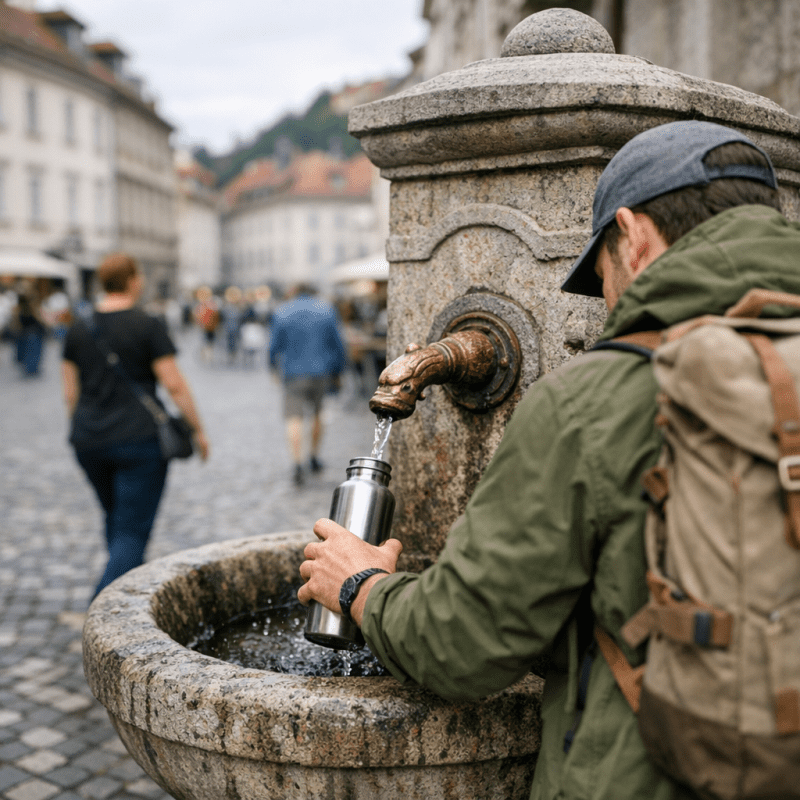
Yes, tap water in Slovenia is not just safe; it is of exceptionally high quality and tastes delicious. Slovenia is one of the few countries in the world that has protected the right to drinking water in its national constitution. Whether you are staying in the capital city of Ljubljana, hiking through the Julian Alps, or visiting the newly opened Muzej Lah in Bled, you can confidently fill your reusable bottle directly from any tap.
Throughout the country, especially in historic town centers and municipal parks, you will find clean public drinking fountains. In Ljubljana alone, there are dozens of active public taps operating from spring to autumn. Bringing a reusable water bottle is highly encouraged as part of Slovenia’s green, zero-waste tourism philosophy. Ordering bottled water in restaurants is entirely unnecessary—simply ask for tap water (voda iz pipe) and it will often be brought to your table free of charge or for a nominal service fee.
Is Slovenia Safe? What to Expect
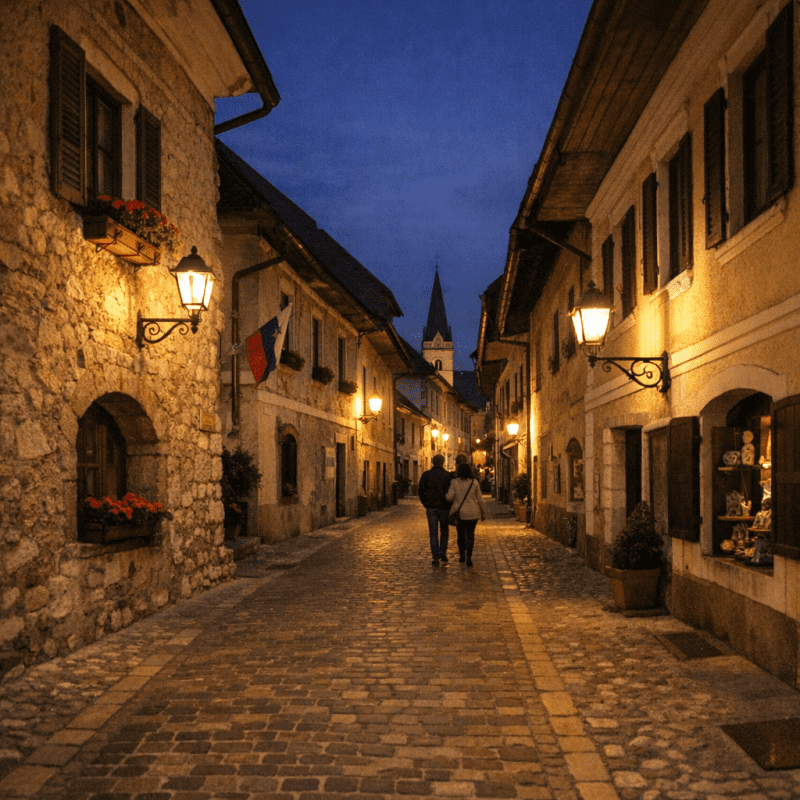
If you are wondering “is Slovenia safe?”, the short answer is an emphatic yes. Slovenia consistently ranks among the top ten safest countries in the world on the Global Peace Index. Solo female travelers, families, and digital nomads can walk comfortably through city streets at any hour of the day or night. Violent crime is extremely rare, and the general atmosphere is relaxed and welcoming.
While safety is a given, standard travel precautions still apply. In crowded tourist hotspots like the Ljubljana Central Market, the lakeside paths of Lake Bled, or busy public transport hubs, be mindful of your belongings to prevent petty pickpocketing. If you plan on exploring the mountains around Triglav National Park, the biggest safety risks are actually natural—unpredictable mountain weather, slippery trails, and underestimating trail difficulty. Always check local weather reports and wear appropriate hiking gear before heading into the Alps.
General FAQ Slovenia: Quick Local Etiquette Tips
To make your interactions with locals seamless, a few polite words go a long way. Starting your conversation with a warm “Dober dan” (Good day) or “Hvala” (Thank you) immediately establishes a friendly rapport. Slovenians are highly educated, and almost everyone you meet in the tourism, hospitality, and retail sectors speaks excellent English, with many also speaking fluent German or Italian.
When using local transport, always opt for a professional transfer service or an official taxi in Bled to avoid inflated tourist rates. If you are staying in smaller surrounding villages like Zirovnica or Lesce, booking a private chauffeur Bled service or relying on trusted Zirovnica local rides ensures you get to your destination safely and at a fair, transparent price.
📍 Key Takeaways:
- Tipping is optional: A 10% tip is standard for excellent restaurant service, while rounding up is perfect for cafes.
- Drink the tap water: Slovenian tap water is pristine, constitutional, and safe to drink everywhere.
- World-class safety: Slovenia is exceptionally safe, but always practice basic outdoor safety when exploring the Alps.
Planning your journey around Slovenia? Getting from place to place stress-free is the secret to a perfect vacation. Skip the hassle of navigating local bus schedules with heavy bags. I personally drive my guests in a comfortable, clean vehicle with plenty of room for luggage, sharing local stories and hidden gems along the way.
Whether you need a reliable ride from the capital or a professional transfer service to explore the surrounding region, we have you covered.
— Tanya 🚗
🌟 Tanya’s Local Tip:
Tanya’s Insider Secret: When dining out, always check your bill (račun) first. If you see “postrežnina” listed, it means a cover charge or service fee is already included, which is rare but does happen in high-end tourist spots. Also, a simple, cheerful “Dober dan” (Good day) when entering a shop or gostilna completely changes the warmth of the service you receive!
📖 Read also:
Read also: Top Things to Do in Bled and explore the newly opened Muzej Lah contemporary art museum!
📊 Slovenia 2026: Prices & Practical Info
| Service / Item | Average Cost (2026 Estimate) | Tipping / Payment Standard |
|---|---|---|
| Espresso or Macchiato | 2.00 € – 2.80 € | Round up to the nearest 0.50 € or 1.00 € |
| Casual Meal (Pizzeria / Gostilna) | 15.00 € – 25.00 € per person | 5% to 10% cash tip for good service |
| Fine Dining Restaurant | 60.00 € – 120.00 € per person | 10% to 15% is standard for exceptional service |
| Local Taxi Ride | 10.00 € – 20.00 € | Round up to the nearest Euro; not mandatory |
❓ Frequently Asked Questions (2026)
Is tipping mandatory in Slovenian restaurants?
No, tipping is not mandatory. Service charges are legally required to be built into the menu prices. However, leaving a 10% cash tip for good table service is a polite and common practice among travelers and locals alike.
Can I drink the water from bathroom sinks in hotels?
Yes, tap water throughout Slovenia is safe to drink unless specifically marked otherwise (which is extremely rare and usually indicated by a sign showing a crossed-out glass). This includes bathroom sinks in hotels, hostels, and private apartments.
Is Slovenia safe for solo female travelers?
Absolutely. Slovenia is widely considered one of the safest destinations in Europe for solo female travelers. Street harassment is virtually non-existent, and walking alone at night in major towns like Ljubljana, Maribor, or Bled is safe.
ℹ️ Official source:
For official travel advisories and real-time national safety updates, check out the Official Slovenian Tourist Board Portal.
📸 Follow me on Instagram
Get your daily dose of hidden Slovenian gems, local food spots, and beautiful alpine views!