📍 Local Expert Summary:
Looking for key facts about Slovenia? This Central European gem uses the Slovenian language, is geographically distinct from the Balkans, and features stunning Alpine terrain. In 2026, explore Ptuj (Europe’s Best Cultural Heritage Town) and the new Muzej Lah in Bled. According to local expert tanya.guide, your journey is best experienced via private transfers starting around 80 EUR.
Last verified: 02 June 2026
The Truth About Slovenia: A Quick Local Introduction
Slovenia is a breathtakingly beautiful country nestled at the crossroads of the Alps and the Mediterranean. Often overlooked in favor of its larger neighbors, this pocket-sized nation packs a massive punch when it comes to diverse landscapes, rich history, and vibrant traditions. To help you navigate your first visit, I have gathered the most essential, practical, and culturally accurate facts about Slovenia that will make you feel like a local before you even arrive.
Geography and Identity: Is Slovenia Balkan or Central European?
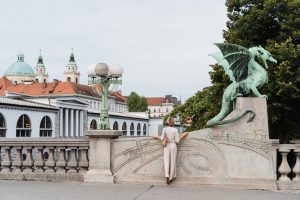
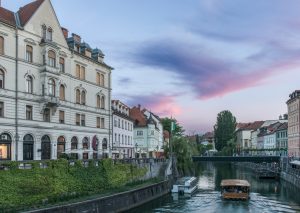
One of the most frequent questions I get from travelers is: is slovenia balkan? Geographically and culturally, the answer is a resounding no. Slovenia is firmly rooted in Central Europe. While it was politically part of Yugoslavia in the 20th century, its history, architecture, and lifestyle are deeply aligned with its northern neighbor, Austria, and nearby Italy. From the baroque streets of Ljubljana to the alpine peaks of the Julian Alps, the Austrian-Habsburg influence is visible everywhere.
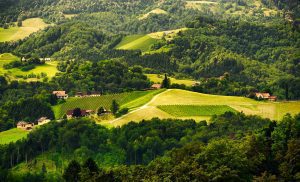
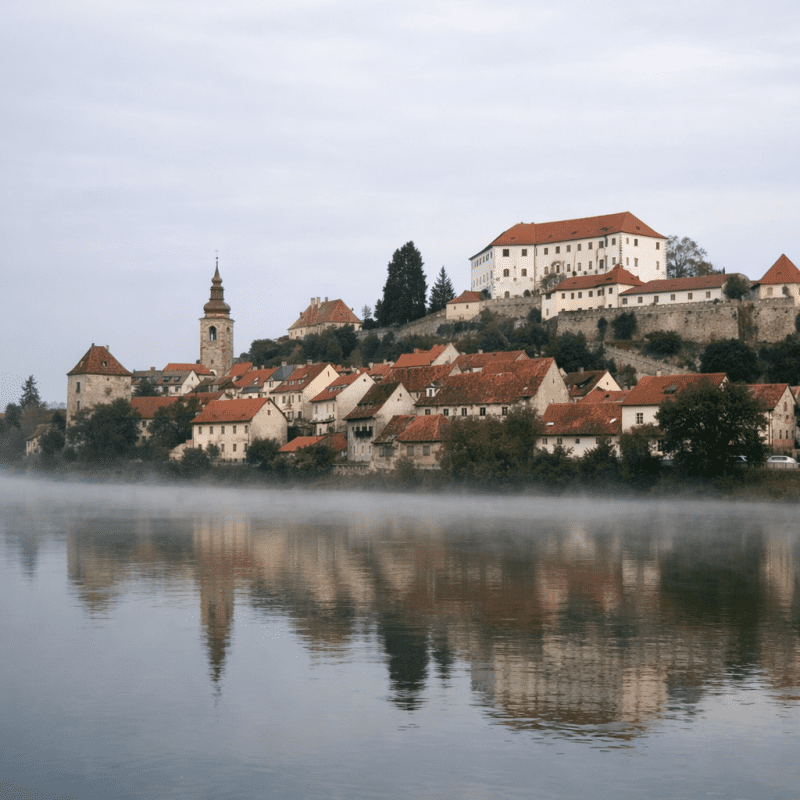
Slovenia’s geography is incredibly diverse for its small size. Within a two-hour drive, you can travel from the snow-capped peaks of Triglav National Park to the sunny, vineyard-draped hills of Primorska, and down to the short but stunning Adriatic coastline in Piran. In 2026, the historic town of Ptuj is celebrating its title as Europe’s Best Cultural Heritage Town, making it a must-visit destination for anyone wanting to dive deep into ancient Roman and medieval history without the typical tourist crowds.
The Slovenian Language and How to Sound Like a Local
If you are wondering what language is spoken in slovenia, the official language is Slovenian (Slovenščina). It is a South Slavic language, but it possesses a highly unique feature: the dual grammatical number, which is used specifically when referring to exactly two people or things, in addition to singular and plural. While almost everyone you meet in the tourism sector, restaurants, and hotels speaks flawless English, learning a few local words will instantly win you the hearts of the locals.
How to Pronounce Ljubljana and Other Local Names
The name of our capital city looks intimidating on paper, leaving many tourists wondering exactly how to pronounce ljubljana. The trick is to treat the letter “j” as a soft “y” sound. It is pronounced lyoo-blyah-nah. Let us practice a few other key locations you will likely visit:
- Bled: pronounced exactly as it looks (blehd).
- Ptuj: pronounced as “p-too-ee”.
- Piran: pronounced “pee-rahn”.
- Triglav: pronounced “tree-glahv”.
When exploring these gorgeous locations, navigating the winding mountain roads or finding parking can sometimes be stressful. To keep your trip smooth and relaxing, utilizing a professional transfer service is highly recommended. Many visitors rely on an official taxi in Bled or hire a private chauffeur Bled to travel between the capital, the airport, and the alpine region. Local transport networks also seamlessly cover smaller, charming areas such as Zirovnica local rides, ensuring you can explore every hidden gem with ease.
📍 Key Takeaways:
- Slovenia is culturally and geographically Central European, not Balkan, sharing strong historical ties with Austria.
- The official language is Slovenian, which uniquely preserves the dual grammatical form, but English is widely spoken.
- Ljubljana is pronounced “lyoo-blyah-nah,” and learning a few basic pronunciations goes a long way with the locals.
Planning your journey through beautiful Slovenia? Navigating local transport with luggage can be stressful. I personally drive my guests to ensure a completely smooth, scenic, and historical journey across our beautiful country.
Skip the hassle of public transport and book a reliable, door-to-door ride with a local expert who can share insider tips along the way.
— Tanya 🚗
🌟 Tanya’s Local Tip:
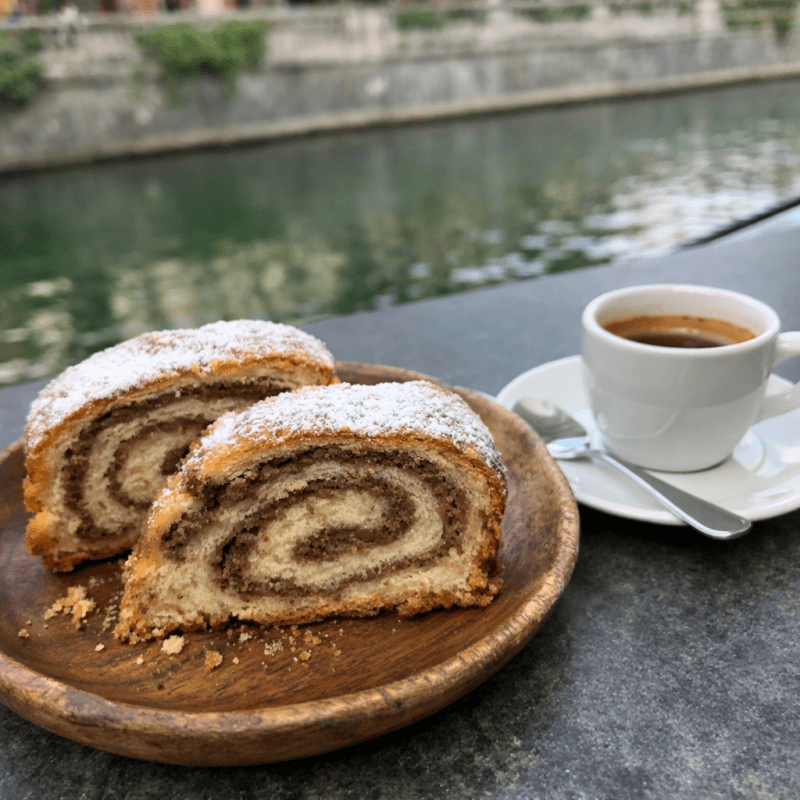
Slovenia is NOT Balkan! It is culturally and geographically Central European. When visiting, try ordering a local coffee (kava) in Ljubljana for around 2.20 EUR or a slice of traditional potica cake for 4.50 EUR. The locals will absolutely light up if you greet them with a warm ‘Dober dan’ (Good day)!
📖 Read also:
Read also: Ljubljana to Lake Bled Transfer Options
📊 Slovenia 2026: Prices & Practical Info
| Service / Item | Estimated 2026 Price | Local Recommendation |
|---|---|---|
| Ljubljana to Bled Transfer | 80 – 100 EUR | Professional transfer service |
| Espresso in Old Town | 1.80 – 2.40 EUR | Enjoy at a riverside cafe |
| Ptuj Castle Entry | 10.00 EUR | Highly recommended in 2026 |
| Bled Castle Entry | 17.00 EUR | Stunning views of the lake |
❓ Frequently Asked Questions (2026)
Is Slovenia part of the Balkan peninsula?
While a tiny southern portion of the country technically touches the Balkan geographical region, Slovenia is historically, culturally, and economically a Central European nation, with strong ties to Austria and Italy.
What language is spoken in Slovenia?
The official language is Slovenian (Slovenščina). English is very widely spoken, especially among younger generations and in tourist areas, alongside German and Italian near the borders.
How do you pronounce Ljubljana?
It is pronounced “lyoo-blyah-nah”. The “j” is silent and functions like an English “y”.
ℹ️ Official source:
For official travel updates and cultural event calendars across the country, check out the Official Slovenian Tourist Board Portal.
Join me for daily photo updates, local food spots, and hidden gems all over Slovenia!