📍 Local Expert Summary:
To climb Mount Triglav (2,864 m) for the first time, choose the gentle Krma Valley route and budget 2 days. You must book mountain huts like Kredarica 3-4 months ahead for 2026. According to local expert tanya.guide, expect to pay around €70 per person for half-board at the hut and always pack a sleeping bag liner and an approved via ferrata set.
Last verified: 20 August 2026
The Ultimate First-Timer Guide to Summiting Slovenia’s Sacred Peak
To climb Mount Triglav (2,864 meters) successfully as a first-timer, you should plan a two-day journey using the Krma Valley route, which is the most accessible and physically forgiving approach. The climb is not a casual walk; the final summit ridge is an exposed via ferrata (protected climbing route) requiring a harness, helmet, and a steady head for heights. To ensure a safe and memorable experience, you must book your mountain huts months in advance, prepare for the physical demand of gaining over 1,900 meters of elevation, and closely monitor the volatile alpine weather.
Why Mount Triglav is Special and What to Expect
Mount Triglav is the beating heart of the Julian Alps and the ultimate national symbol of Slovenia. There is a famous local saying that you are not truly Slovenian until you have stood at its highest peak. For travelers, it represents one of the most rewarding and visually spectacular alpine adventures in Central Europe.
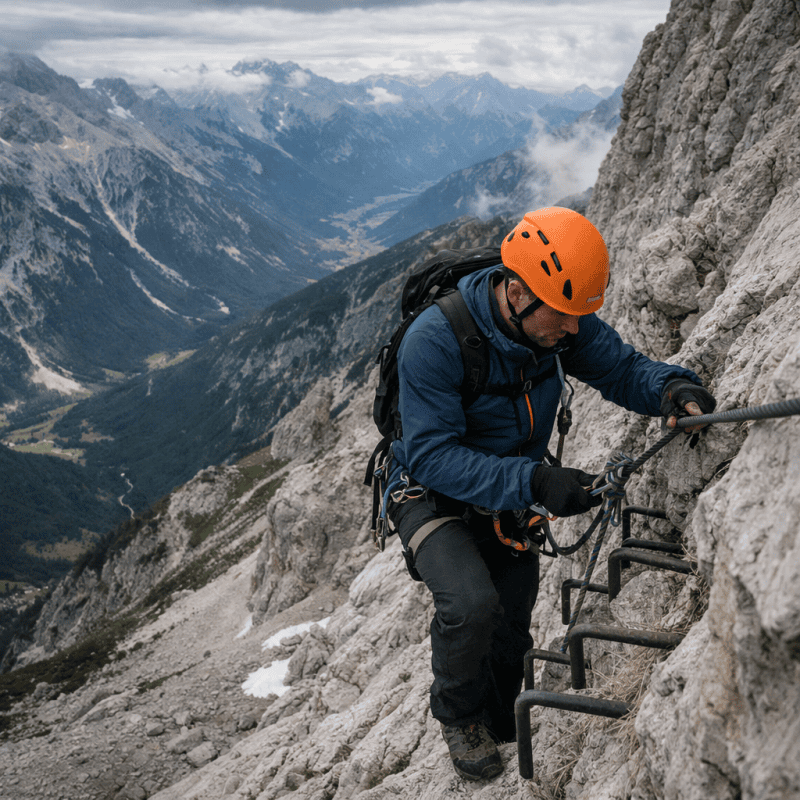
However, many first-timers underestimate the mountain. While the first day of the hike is a strenuous walk through stunning glacial valleys and karst landscapes, the final stretch from the high-altitude huts to the summit is a true via ferrata. You will be walking on narrow, knife-edge ridges with sheer drops of up to 1,000 meters on either side. Handrails, steel pegs (called klini), and safety cables are anchored into the rock to help you climb, but you absolutely must wear professional safety gear.
Choosing Your Route: The Best Trails for Beginners
There are several ways to reach the top of Slovenia, but they vary wildly in difficulty:
- The Krma Valley (Standard Route): This is the easiest, longest, and gentlest approach. It starts in a lush valley near Mojstrana and wind slowly up to the Kredarica hut. It is highly recommended for first-timers.
- The Pokljuka Plateau: Starting at a higher elevation (around 1,300 meters), this route cuts down on total climbing but involves traversing some exposed screen slopes before merging with the main trail.
- The Vrata Valley (The Prag or Tominšek Routes): These routes climb directly up the massive North Face of Triglav. They are steep, highly exposed, and should only be attempted by experienced climbers or those with a professional guide.
Mountain Hut Logistics, Bookings, and Essential Gear for 2026
For the 2026 climbing season, mountain huts like Triglavski dom na Kredarici (2,515 meters) and Dom Planika (2,401 meters) must be booked 3 to 4 months in advance via the Alpine Association of Slovenia (PZS) online portal. Due to strict environmental and hygiene regulations, sleeping bags are prohibited inside the huts, meaning you must carry a lightweight sleeping bag liner or purchase a single-use paper liner on-site for €6. Ensure you carry cash, as card machines at high altitudes are highly unreliable.
Staying in a Slovenian Mountain Hut (Koča)
Staying overnight in a high-altitude hut is a rite of passage. The conditions are rustic, authentic, and incredibly social. Here is what you need to know about hut life:
- Water is scarce: There is no running tap water for drinking at Kredarica. You must purchase bottled water, which costs about €5.50 to €6.00 for a 1.5-liter bottle.
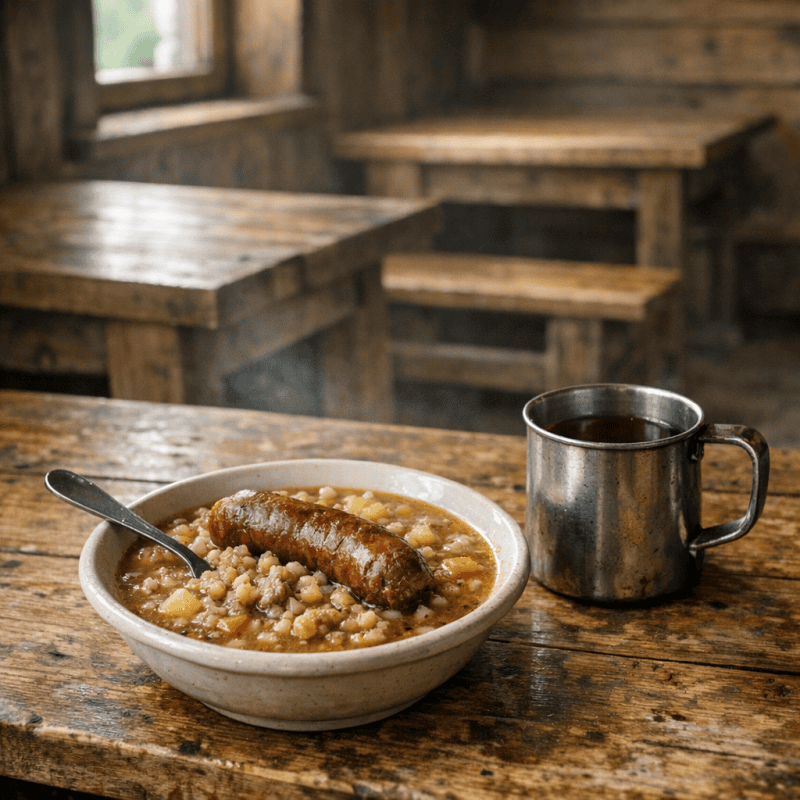
- Food and Dining: Huts serve hearty, warm Slovenian mountain food like barley stew (ričet), sausage, and apple strudel. A typical dinner and breakfast package (half-board) costs around €70.
- Hut Rules: Quiet hours are strictly enforced from 10:00 PM to 5:00 AM. Most climbers wake up at dawn to make their final summit push before the afternoon clouds and potential storms roll in.
Required Gear Checklist
Do not attempt the summit without the following safety and comfort items:
- A certified climbing helmet and a professional via ferrata harness with an energy-absorbing lanyard.
- Sturdy, worn-in hiking boots with excellent ankle support and grip.
- A lightweight silk or cotton sleeping bag liner.
- A windproof and waterproof jacket, as weather conditions can change in minutes.
- Sufficient cash in Euros for meals and water.
- A headlamp with fresh batteries for early-morning starts.
📍 Key Takeaways:
- Choose the Krma Valley route as it is the most straightforward and safest trail for first-time climbers.
- Always wear professional via ferrata gear (helmet, harness, and lanyard) for the highly exposed final summit ridge.
- Book your mountain hut accommodation 3-4 months early and remember to pack a lightweight sleeping bag liner.
Planning your Triglav hiking adventure?
Getting to the remote trailheads in the Krma or Vrata valleys stress-free is half the battle. Instead of worrying about limited parking spots, narrow mountain roads, or expensive taxi rates, let me handle the logistics. I personally drive my guests directly from their accommodation in Bled, Lesce, or Zirovnica straight to the trailheads in a comfortable, private vehicle.
Book your Private Transfers in Slovenia
— Tanya &a_minus;🚗
🌟 Tanya’s Local Tip:
Tanya’s Insider Secret: Avoid climbing Triglav on August weekends! The summit ridge becomes dangerously congested, with long queues forming at the via ferrata bottlenecks. Instead, plan your climb for a Tuesday or Wednesday in late July or early September. Also, stop by the local bakery in Mojstrana before heading to the trailhead to buy fresh potica (traditional nut roll) — it is the ultimate high-energy trail snack!
📖 Read also:
Read also: Planning to explore the region further? Check out my guide on Things to Do in Bled or discover the stunning hiking trails with my guide to a Walk Around Lake Bled.
📊 Slovenia 2026: Prices & Practical Info
| Expense Item | 2026 Estimated Cost | Notes |
|---|---|---|
| Hut Accommodation (Half-Board) | €65.00 – €75.00 | Per person in a dormitory bed; includes dinner and breakfast. |
| Bottled Water (1.5L) at Hut | €5.50 – €6.00 | Essential as high huts do not have potable tap water. |
| Via Ferrata Gear Rental (Bled) | €25.00 – €35.00 | Includes helmet, harness, and via ferrata set for 2 days. |
| Trailhead Parking (Krma/Vrata) | €5.00 – €10.00 | Per day, depending on the specific valley parking lot rules. |
| Espresso at Mountain Hut | €3.50 | A perfect warm-up before your early morning summit push. |
❓ Frequently Asked Questions (2026)
Is Mount Triglav safe for absolute beginners?
It is safe only if you are in good physical condition, have no fear of extreme heights, and use the correct safety equipment (helmet, harness, and lanyard). If you have never done a via ferrata before, we highly recommend hiring a certified IFMGA local guide to ensure your safety on the exposed summit ridge.
When is the best season to climb Mount Triglav?
The official climbing season runs from mid-June to late September. Outside of these months, the high-altitude trails are covered in snow and ice, making the climb a technical winter mountaineering expedition that requires crampons and ice axes.
Do I need to book the mountain huts in advance?
Yes, absolutely. Huts like Kredarica and Dom Planika are highly popular and sell out quickly. For the peak summer months of July and August, you should secure your booking 3 to 4 months in advance using the Alpine Association of Slovenia online portal.
ℹ️ Official source:
For real-time mountain safety conditions, weather warnings, and trail closures in the Julian Alps, consult the official Slovenian Tourist Board (Slovenia.info) website.
Follow me on Instagram
Get your daily dose of hidden Slovenian gems, hiking tips, and beautiful alpine views!