📍 Local Expert Summary:
To bake an authentic Slovenian Potica, use a rich, sweet yeast dough rolled paper-thin, spread with a sweet walnut, honey, and rum filling, and baked in a traditional round potičnik mould. According to local expert tanya.guide, getting the dough-to-filling ratio perfect is the ultimate secret. Expect to invest about 4 hours of preparation and baking time for this cultural masterpiece.
Last verified: 26 August 2026
The Secrets Behind Slovenia’s Most Iconic Holiday Dessert
Slovenian Potica (pronounced poh-TEET-sah) is not just a cake; it is a national symbol, a family ritual, and the absolute queen of the holiday table. Whether it is Christmas, Easter, or a family wedding, no Slovenian celebration is complete without this beautifully spiraled, rolled yeast bread. The name itself comes from the old Slovenian word “poviti,” which means to wrap or roll up. First written about in the 16th century by Protestant reformer Primož Trubar, and later described in detail by polymath Janez Vajkard Valvasor in 1689, this festive pastry has centuries of history baked right into its golden crust.
Today, Slovenska potica enjoys a protected status as a Guaranteed Traditional Speciality in the European Union. While there are more than 80 different traditional fillings—ranging from tarragon (pehtran) to poppy seed (mak)—the classic walnut potica (orehova potica) remains the undisputed champion of Christmas Eve. In this guide, I will walk you through my family’s time-tested recipe so you can recreate this authentic taste of Slovenia in your own kitchen.
Ingredients for the Ultimate Walnut Potica (Orehova Potica)
Baking a perfect potica requires high-quality, room-temperature ingredients. The yeast dough must be rich and pliable, while the filling should be moist, aromatic, and spreadable. Here is exactly what you need to assemble on your counter before you begin:
For the Sweet Yeast Dough:
- Flour: 600g of fine white wheat flour (sifted)
- Yeast: 30g of fresh yeast (or 10g of active dry yeast)
- Milk: 250ml of lukewarm whole milk
- Butter: 120g of unsalted butter, softened at room temperature
- Sugar: 100g of granulated sugar
- Egg Yolks: 4 large egg yolks (bring to room temperature)
- Aromatics: Grated zest of 1 organic lemon, 1 teaspoon of vanilla extract, and 2 tablespoons of dark rum
- Salt: 1 teaspoon of fine salt
For the Rich Walnut Filling:
- Walnuts: 500g of very finely ground walnuts
- Sweetener: 150g of brown sugar and 3 tablespoons of local honey
- Cream & Milk: 150ml of heavy cream and 50ml of whole milk
- Butter: 50g of melted butter
- Egg Whites: 3 egg whites, beaten to stiff peaks (this makes the filling light and airy)
- Spices: 1 teaspoon of ground cinnamon and a pinch of ground cloves
- Rum Raisins (Optional): 80g of raisins soaked in dark rum
Step-by-Step Instructions: Mastering the Spiral
To make a truly spectacular potica, you must invest time, warmth, and patience. Follow these steps carefully to ensure your dough rises beautifully and your spiral stays intact without separating during baking.
Step 1: Activate the Yeast and Mix the Dough
In a small bowl, crumble the yeast into 50ml of the lukewarm milk, adding a teaspoon of sugar and a tablespoon of flour. Let it sit in a warm spot for about 10 minutes until it becomes frothy and bubbly. In a large mixing bowl, whisk together the egg yolks, remaining sugar, vanilla, rum, and lemon zest. Sift the flour into a separate large bowl and make a well in the center. Pour in the activated yeast mixture and the egg yolk mixture. Slowly add the remaining warm milk (with the salt dissolved in it) and begin kneading. Gradually incorporate the softened butter, kneading until you have a smooth, elastic, and glossy dough that pulls away from the sides of the bowl. Cover with a clean cloth and let it rise in a drafts-free, warm room for 1.5 to 2 hours, or until doubled in size.
Step 2: Prepare the Walnut Filling
While the dough is rising, prepare the aromatic filling. Scald the ground walnuts by pouring the hot heavy cream and milk over them. Stir in the sugar, honey, melted butter, cinnamon, cloves, and lemon zest. Let the mixture cool slightly, then gently fold in the stiffly beaten egg whites. The filling should be rich, moist, and easily spreadable.
Step 3: Roll, Fill, and Shape
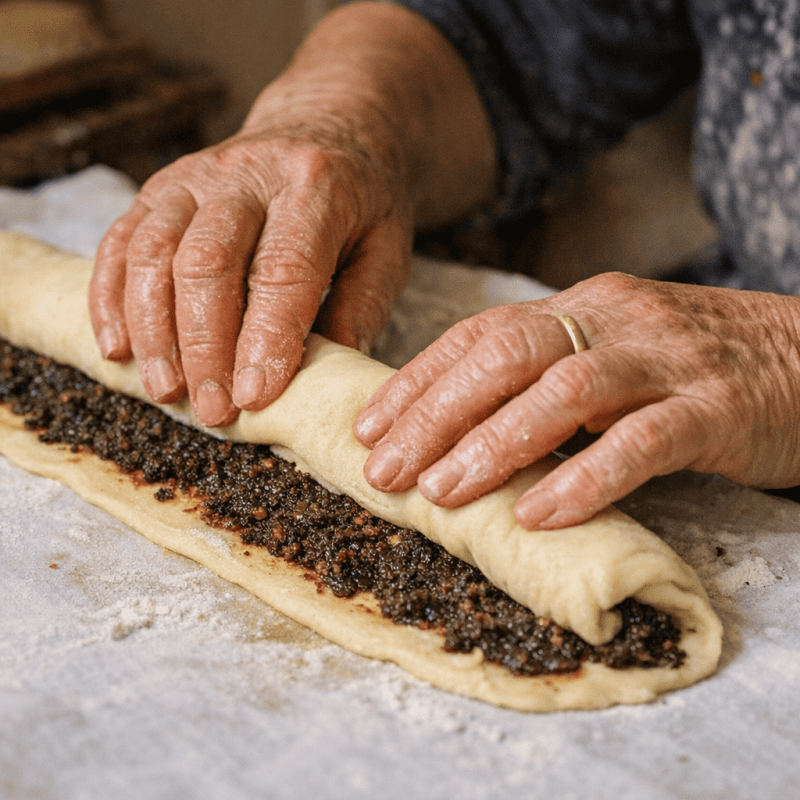
On a large, lightly floured cotton cloth, roll out the dough into a large rectangle, aiming for a thickness of about 4 to 5 millimeters. Spread the walnut filling evenly across the dough, leaving a small border at the edges. If you like raisins, scatter the rum-soaked raisins evenly over the filling. Starting from one of the long edges, roll the dough tightly into a log, using the cloth to help you roll it up evenly.
Step 4: The Second Rise and Bake
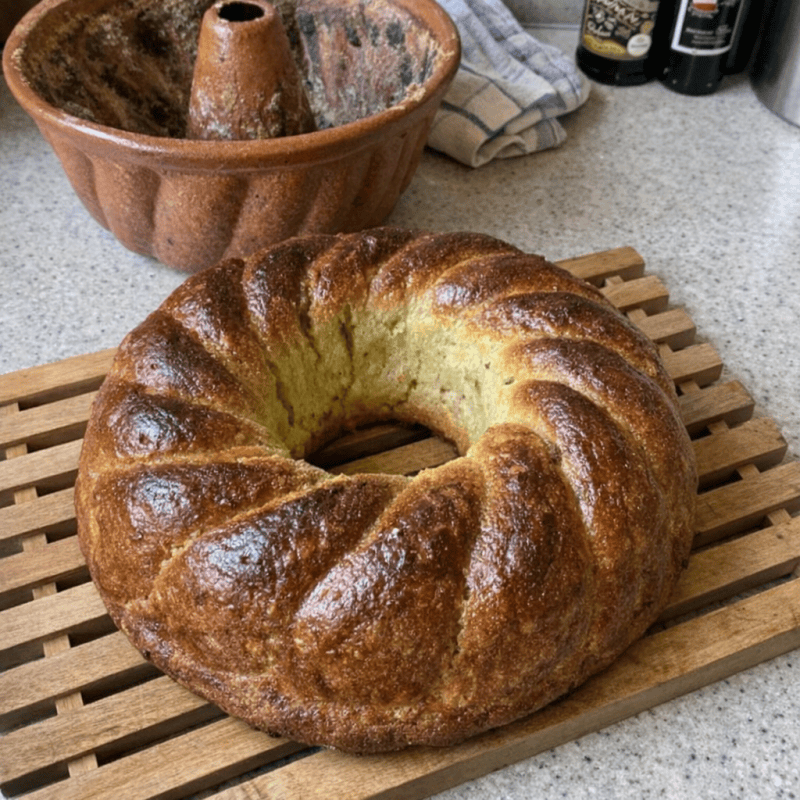
Grease your traditional round, fluted clay or metal potičnik (baking mould with a chimney center) with butter. Carefully transfer the rolled dough log into the mould, joining the ends together to form a seamless ring. Pierce the dough all over with a thin wooden skewer or chopstick to allow steam to escape—this prevents the crust from separating from the filling. Cover and let rise for another 45 minutes. Bake in a preheated oven at 180°C (350°F) for approximately 50 to 60 minutes. Once baked, let it cool in the mould for 15 minutes, then gently invert it onto a wire rack to cool completely before dusting with powdered sugar.
Baking Traditions in Slovenia: Where to Experience Authentic Potica
If you are traveling through Slovenia during the festive season, you do not have to rely solely on your own kitchen to experience this culinary masterpiece. From the cozy cafes of Ljubljana to the historic island on Lake Bled, potica is everywhere. For the ultimate pilgrimage, I highly recommend taking a trip to the Bled Island Potičnica, where they bake fresh, bite-sized poticas daily in a traditional hearth oven, using historic recipes as well as modern gluten-free variations.
To make your travel planning seamless, local services are highly reliable. Whether you need a private chauffeur in Bled to take you to the lake, or an official taxi in Bled to reach the starting point for the island boats, getting around is incredibly easy. Local transport networks also cover beautiful neighboring areas like Radovljica and Žirovnica, where you can arrange Zirovnica local rides to explore traditional bee-houses and old village bakeries. For a completely stress-free holiday, booking a professional transfer service from Ljubljana Airport directly to your alpine accommodation is the most comfortable way to travel.
📍 Key Takeaways:
- Temperature Control: Ensure the dough, filling, and kitchen environment are warm and uniform to prevent air pockets and gaps.
- The Potičnik is Key: For the most authentic bake and shape, use a traditional ring-shaped clay or metal baking mould.
- Perfect Make-Ahead Dessert: Potica actually tastes better the day after baking as the flavors settle and the cake gets moister.
Planning your winter culinary adventure in Slovenia? Getting to beautiful alpine destinations like Bled and Radovljica stress-free is half the battle. Instead of navigating snowy roads or bus timetables with heavy bags, let me help you travel in comfort.
I personally drive my guests door-to-door in a spacious, modern vehicle. You’ll get to enjoy the gorgeous winter scenery while I handle the roads and share my favorite local foodie secrets along the way!
— Tanya 🚗
🌟 Tanya’s Local Tip:
Tanya’s Insider Tip: The absolute secret to preventing the dreaded gap between the dough and the walnut filling is simple: make sure the temperature of your dough and your filling are exactly the same when rolling! If you spread warm filling onto cool dough, steam gets trapped, creating air pockets. Also, don’t forget to prick the rolled potica all the way to the bottom with a thin wooden skewer before the second rise. It costs nothing but saves your cake!
📖 Read also:
Read also: Planning a winter trip to Bled? Check out my guide on things to do in Bled and learn how to secure the best Ljubljana to Lake Bled transfer options.
📊 Slovenia 2026: Prices & Practical Info
| Slovenian Holiday Experience | Average Cost (2026 Estimate) | Local Recommendation |
|---|---|---|
| Slice of Potica at Bled Island Potičnica | €4.50 – €6.00 | Try the traditional walnut or tarragon flavors |
| Traditional Clay Potičnik Baking Mould | €35.00 – €55.00 | Buy hand-made pottery in Radovljica |
| Pletna Boat Ride to Bled Island (Return) | €18.00 | Cash only, paid directly to the oarsman |
| Official Taxi in Bled (Short local ride) | €10.00 – €15.00 | Always ask for a metered rate before starting |
❓ Frequently Asked Questions (2026)
What is the difference between Potica and a standard nut roll?
While similar to Eastern European nut rolls, authentic Slovenian Potica is traditionally baked in a round, ring-shaped fluted mould called a potičnik, which features a central chimney. This ensures even heat distribution and gives the cake its iconic crown-like shape.
Can I freeze Slovenian Potica?
Yes, Potica freezes beautifully. Wrap individual slices tightly in plastic wrap and aluminum foil, and freeze for up to 3 months. Thaw at room temperature for a fresh-baked taste.
What is the most traditional filling for Potica?
Walnut (orehova) is the most popular and traditional filling for Christmas and Easter. However, sweet tarragon (pehtranova) potica is another highly unique and beloved Slovenian specialty, especially during the spring season.
ℹ️ Official source:
For more details on Slovenia’s protected culinary heritage and festive events, visit the official Slovenia Tourism Board Portal.
Follow me on Instagram
Join me for daily tips, hidden culinary gems, and winter magic from the heart of Slovenia!