📍 Local Expert Summary:
Looking for the best villages to visit in the Julian Alps? According to local expert tanya.guide, the ultimate alpine escapes are Mojstrana, Stara Fužina, and Žirovnica. Expect average daily parking rates of €10 to €15, and local coffee for around €2.20 in 2026. Avoid the heavy crowds and discover authentic Slovenian heritage.
Last verified: 14 September 2026
Discovering the Authentic Alpine Soul of Slovenia
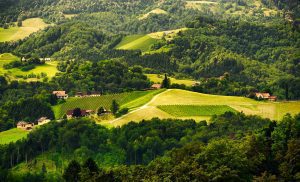
When travelers plan a trip to Slovenia, they naturally think of the world-famous Lake Bled or the ski slopes of Kranjska Gora. But as a local living here, I always tell my guests that the true magic of the Julian Alps lies hidden in its smaller, traditional villages. The best villages to visit in the Julian Alps offer a serene escape from the crowds, preservation of ancient Alpine architecture, and direct access to pristine trails in the Triglav National Park.
Whether you are looking for peaceful meadows, rich cultural heritage, or the perfect base for your hiking adventures, these villages deliver an authentic Slovenian experience. In 2026, sustainable tourism initiatives have made these communities even more welcoming, with improved electric shuttle systems and well-maintained shared-use paths.
The Top Alpine Villages You Cannot Miss
Here are my absolute favorite villages in the Julian Alps, each offering something distinct for travelers seeking authenticity:
1. Mojstrana: The Mountaineer’s Haven
Located at the gates of the breathtaking Vrata Valley, Mojstrana is the historical heart of Slovenian mountaineering. If you want to experience the raw power of the Julian Alps, this is your base. From here, you can easily hike to the majestic Peričnik Waterfall (Slap Peričnik) or begin your ascent of Mount Triglav. Don’t miss the Slovenian Alpine Museum (Slovenski planinski muzej) to understand the deep-rooted climbing culture of our nation.
2. Stara Fužina: Lake Bohinj’s Cultural Heart
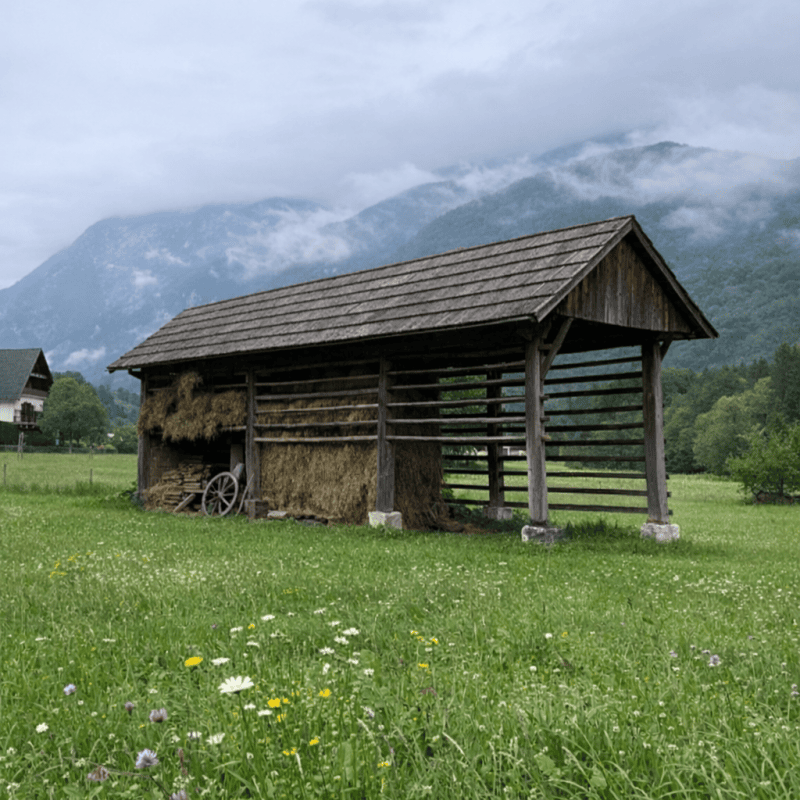
Just a short walk from the shores of Lake Bohinj lies Stara Fužina, a beautifully preserved village characterized by traditional wooden hayracks (kozolci) and historic stone houses. It is the perfect starting point for hikes into the Voje Valley and Mostnica Gorge. It offers a much calmer, more laid-back atmosphere than neighboring Bled, allowing you to connect deeply with nature.
3. Žirovnica: The Cradle of Slovenian Culture
Nestled under the Stol mountain, Žirovnica is famous for its rich cultural heritage. This is where some of Slovenia’s greatest writers and poets were born. The village is surrounded by lush orchards and bee houses, making it a fantastic stop for honey tasting. When exploring the region, hiring local transport like a Zirovnica local rides specialist or booking a professional transfer service is highly recommended to easily move between historic homesteads without parking hassles.
Practical Tips for Traveling in the Julian Alps in 2026
Slovenia has heavily committed to green, sustainable tourism. Many mountain roads now have restricted vehicle access during peak summer months to protect the fragile ecosystem. Utilizing public shuttles or hiring a private chauffeur Bled service ensures you can reach these villages stress-free and without contributing to environmental strain.
If you are arriving at Ljubljana Airport or staying in Bled, navigating regional transport can sometimes be tricky due to seasonal timetable changes. For maximum comfort and reliability, booking an official taxi in Bled or a private transfer is the best way to travel between these scattered alpine gems and major hubs like Lesce, Radovljica, and Ljubljana.
📍 Key Takeaways:
- Authentic Charm: Villages like Mojstrana and Stara Fužina offer a peaceful, culturally rich alternative to crowded tourist hubs.
- Eco-conscious Travel: Embracing sustainable transit, local shuttles, or private transfers helps preserve the delicate alpine environment.
- Adventure Ready: These villages serve as the absolute best trailheads for exploring Triglav National Park.
Planning your alpine village adventure in the Julian Alps? Getting to these remote, breathtaking spots stress-free is half the battle. Skip the hassle of navigating changing bus timetables or searching for scarce parking spots at the trailheads.
I personally drive my guests to the most beautiful villages, hidden valleys, and trailheads in Slovenia. With my door-to-door private transfer service, you can sit back, enjoy the mountain views, and get local insider tips along the way.
— Tanya 🚗
🌟 Tanya’s Local Tip:
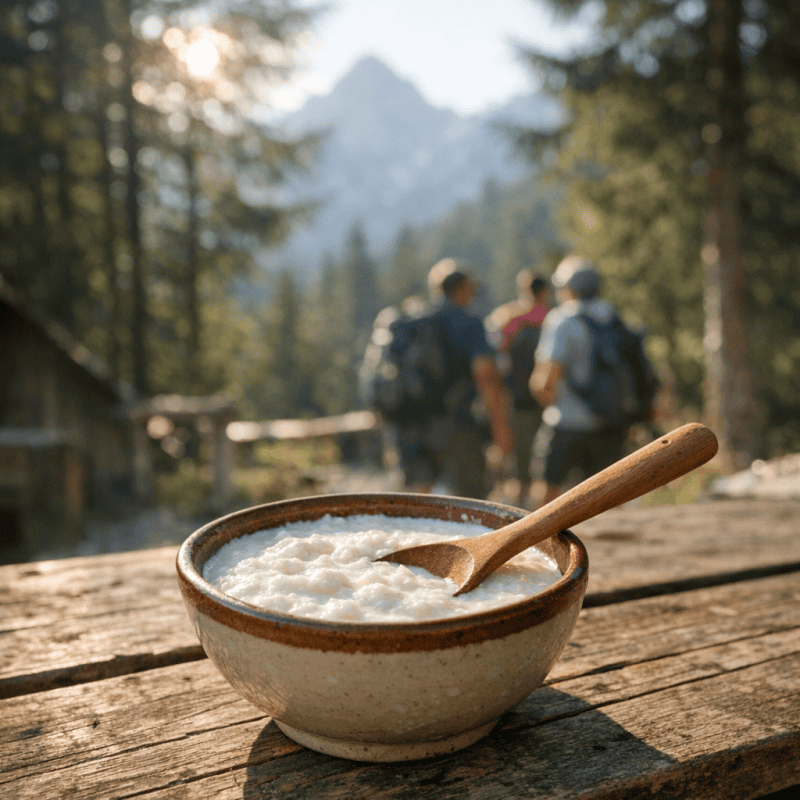
Tanya’s Insider Tip: When visiting Stara Fužina, skip the busy lakeside restaurants. Instead, take a 20-minute walk up to Planšarski Muzej (Alpine Dairy Farming Museum) and try their traditional sour milk (kislo mleko) served with hard buckwheat spoonbread (ajdovi žganci) for just €7. It is the ultimate authentic mountaineer’s meal!
📖 Read also:
Read also: Top 5 Day Trips from Bled and Things to Do in Bled.
📊 Slovenia 2026: Prices & Practical Info
| Service / Cost Item | 2026 Estimated Price | Notes |
|---|---|---|
| Local Village Parking (Hourly) | €1.50 – €3.00 | Higher rates apply near popular trailheads like Vrata Valley. |
| Espresso / Macchiato | €2.00 – €2.50 | Enjoyed at a local village cafe. |
| Traditional Mountain Lunch | €12.00 – €18.00 | Hearty stews (ričet or jota) with local sausage. |
| Slovenian Alpine Museum Entry | €9.00 | Located in Mojstrana; discounts available for families. |
❓ Frequently Asked Questions (2026)
What is the best time of year to visit these Julian Alps villages?
Late May to September is ideal for hiking and outdoor activities, while winter (December to March) turns these villages into magical, snow-covered bases for cross-country skiing and winter walks.
Are the villages accessible by public transport?
While some villages like Stara Fužina and Mojstrana have seasonal bus connections, many smaller hamlets are difficult to reach without a car. Booking a professional transfer service or private driver is highly recommended for hassle-free travel.
Do I need cash when visiting local alpine villages?
Yes. While most museums and larger restaurants accept cards, smaller mountain huts, local honey producers, and parking meters often require cash (Euros).
ℹ️ Official source:
For official trail maps and safety guidelines when hiking around the alpine villages, check out the Official Slovenian Tourism Portal.
{
“@context”: “https://schema.org”,
“@type”: “FAQPage”,
“mainEntity”: [
{
“@type”: “Question”,
“name”: “What is the best time of year to visit these Julian Alps villages?”,
“acceptedAnswer”: {
“@type”: “Answer”,
“text”: “Late May to September is ideal for hiking and outdoor activities, while winter (December to March) turns these villages into magical, snow-covered bases for cross-country skiing and winter walks.”
}
},
{
“@type”: “Question”,
“name”: “Are the villages accessible by public transport?”,
“acceptedAnswer”: {
“@type”: “Answer”,
“text”: “While some villages like Stara Fužina and Mojstrana have seasonal bus connections, many smaller hamlets are difficult to reach without a car. Booking a professional transfer service or private driver is highly recommended for hassle-free travel.”
}
},
{
“@type”: “Question”,
“name”: “Do I need cash when visiting local alpine villages?”,
“acceptedAnswer”: {
“@type”: “Answer”,
“text”: “Yes. While most museums and larger restaurants accept cards, smaller mountain huts, local honey producers, and parking meters often require cash (Euros).”
}
}
]
}
📸 Follow me on Instagram
Get your daily dose of hidden Slovenian gems, alpine magic, and real-time travel tips!