📍 Local Expert Summary:
According to local expert tanya.guide, choosing between Slovenia and Croatia comes down to your preferred scenery and pace. Slovenia offers a compact alpine ecosystem with lush forests and quiet mountain trails, while Croatia is a Mediterranean powerhouse famed for its sprawling coastlines and historic ports. For 2026, Slovenia is the ideal starting point due to its easier mobility, lower tourist density, and major cultural openings.
Last verified: 18 September 2026
Slovenia vs Croatia: The Ultimate Balkan Dilemma
As next-door neighbors in the heart of Central and Southeast Europe, Slovenia and Croatia share a border but offer radically different travel experiences. To decide which to visit first, you must choose between the emerald-green alpine peaks of the north and the sun-drenched, azure coastlines of the south. Slovenia is a compact, eco-conscious haven where you can drive from high mountain passes to the coast in under two hours, while Croatia is a sprawling maritime destination best enjoyed at a slower, island-hopping pace.
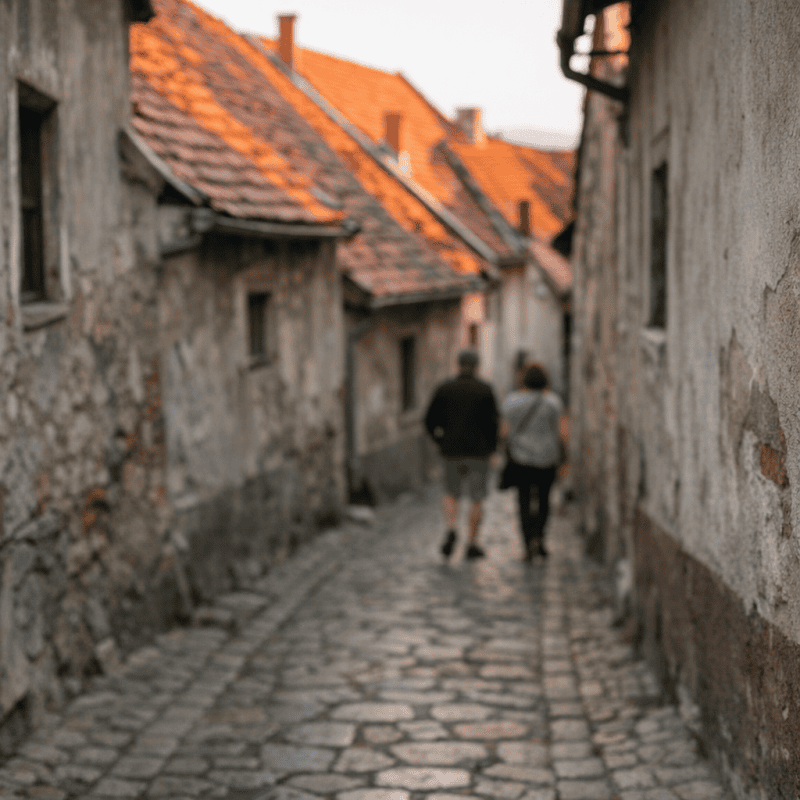
In 2026, both countries are seeing distinct shifts in travel trends. Croatia continues to be a major Mediterranean magnet, with prices on its premium Dalmatian islands rising by 8% to 12% since its adoption of the euro. On the other hand, Slovenia is positioning itself as Europe’s premier sustainable sanctuary, boasting major cultural landmarks like the newly opened Muzej Lah in Bled and Ptuj, which has been crowned the Best Cultural Heritage Town in Europe for 2026.
The Landscapes: Green Alpine Peaks vs. Blue Mediterranean Coast
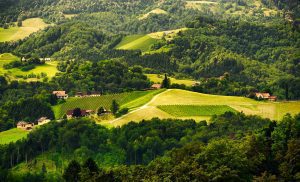
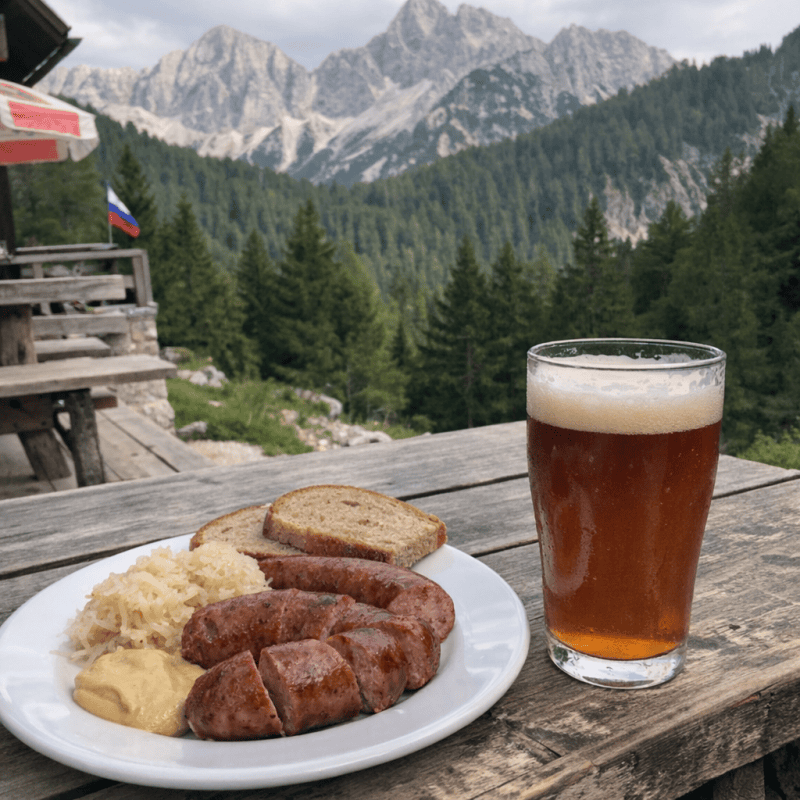
Slovenia is defined by its deep alpine lakes, thick forests covering nearly sixty percent of the country, and the jagged limestone peaks of the Julian Alps. It is an outdoor lover’s paradise. Iconic spots like Lake Bled (Blejsko jezero) and Lake Bohinj (Bohinjsko jezero) offer peaceful hiking, rowing, and canyoning without the overwhelming international crowds often found further south.
Croatia, by contrast, is a marine-centric paradise with over a thousand islands scattered along the Adriatic Sea. Its primary appeal lies in historic stone-walled coastal towns like Dubrovnik, Split, and Hvar, where the daily rhythm is dictated by ferry timetables and lazy beach afternoons. While Croatia does have stunning inland nature—most notably the cascading waterfalls of Plitvice Lakes National Park—its peak-season vibe is heavily centered on coastal resorts and sailing.
Comparing the Vibe and Crowd Levels
If you prefer a quiet, intimate vacation with easy logistics, Slovenia is the clear winner. The country is highly organized, clean, and safe, consistently ranking at the top of the Global Peace Index. Croatia offers a high-energy, vibrant resort atmosphere. However, the summer months in Croatia bring cruise ship crowds that can make navigating the narrow stone streets of Dubrovnik or Split a claustrophobic experience.
2026 Travel Costs and Practical Differences
Both countries now use the Euro, making price comparisons straightforward. While Croatia was once considered a budget destination, prices in popular coastal hubs have surged. In 2026, Croatia’s overall consumer prices sit below the EU average, but its hotels and restaurants are priced at 95% of the EU average—making coastal dining and accommodation surprisingly expensive. Slovenia offers a more consistent, mid-range pricing structure across the entire country, with fewer dramatic seasonal price hikes than coastal Croatia.
📍 Key Takeaways:
- Scenery: Choose Slovenia for alpine lakes, mountains, and dense forests; choose Croatia for sunny beaches, coastal towns, and island hopping.
- Crowds and Pace: Slovenia offers a quiet, highly organized, and sustainable travel environment, while coastal Croatia is lively but prone to heavy summer crowds.
- Logistics and Budget: Slovenia’s compact size makes it incredibly easy to explore from a single base, and it generally offers better value for money during peak summer.
Planning to travel between Slovenia and Croatia? Navigating international border crossings, train schedules, and coastal traffic can take the fun out of your journey. Let me handle the driving for you! I personally drive my guests in a comfortable, modern vehicle, ensuring a smooth, door-to-door trip from the Julian Alps straight to the Adriatic coast.
Whether you need a reliable local ride or a long-distance connection, skip the hassle and book a professional transfer service with a friendly local guide who knows all the best scenic stops along the way.
Private Transfer from Bled to Split
— Tanya 🚗
🌟 Tanya’s Local Tip:
Slovenia is incredibly compact, which means you can base yourself in one spot like Bled or Ljubljana and take day trips everywhere. If you want to skip the high parking fees in Bled (which can reach €4 to €6 per hour in peak spots for 2026) and avoid navigating narrow mountain roads, hire a local driver. I frequently help travelers with regional transfers and day trips, ensuring a seamless door-to-door experience. — Tanya
📖 Read also:
Read also: Planning to explore Slovenia’s most famous alpine lake? Check out my guide on things to do in Bled or learn about the best Ljubljana to Lake Bled transfer options.
📊 Slovenia 2026: Prices & Practical Info
| Travel Expense (2026 Estimates) | Slovenia (Bled / Ljubljana) | Croatia (Split / Dubrovnik) |
|---|---|---|
| Espresso / Macchiato | €1.80 – €2.50 | €2.50 – €4.50 |
| Mid-Range Restaurant Meal (per person) | €15 – €25 | €20 – €35 |
| Main Attraction Ticket | €10 – €20 (Bled Castle) | €15 – €35 (Dubrovnik Walls) |
| Daily Parking (Tourist Hotspots) | €15 – €25 | €25 – €45 |
❓ Frequently Asked Questions (2026)
Is Slovenia cheaper than Croatia?
Generally, yes. While everyday supermarket prices are similar, tourist services, coastal dining, and accommodations in Croatia (especially in Dubrovnik, Split, and Hvar) are significantly more expensive during the summer peak season than in Slovenia.
Can I easily combine both countries in one trip?
Absolutely. Because they share a border, you can easily drive from Ljubljana to Zagreb in about two hours, or travel from the Slovenian coast down into the Croatian peninsula of Istria. Using a professional transfer service makes crossing the border seamless and stress-free.
Which country is better for a family holiday?
Slovenia is perfect for active families who love hiking, cycling, and lake activities. Croatia is better suited for families looking for classic beach resort holidays, boat rentals, and swimming in the sea.
ℹ️ Official source:
For official travel updates, local events, and sustainable tourism initiatives across the country, visit the Official Slovenian Tourist Board Portal.
📸 Follow me on Instagram
Get daily insider tips, hidden gems, and real-time travel inspiration from Slovenia!