📍 Local Expert Summary:
According to local expert tanya.guide, choosing between autumn and summer in Slovenia depends on your style: summer (June–August) offers vibrant swimming, the new Muzej Lah art gallery in Bled, and warm alpine hikes, while autumn (September–November) delivers stunning fall foliage, wine harvests, and smaller crowds at lower prices. Plan your 2026 trip with local insights.
Last verified: 22 September 2026
The Ultimate Seasonal Showdown: Summer vs Autumn in Slovenia
Choosing when to visit Slovenia often comes down to a classic debate: the vibrant, sun-drenched days of summer or the quiet, golden-hued magic of autumn. As a local living and driving here, I see the country transform dramatically between these seasons. Summer offers long daylight hours, swimming in alpine lakes, and bustling open-air festivals. Autumn, on the other hand, brings cooler hiking weather, wine-harvest celebrations, and significantly fewer crowds at iconic spots. Your choice depends on whether you prefer active water sports and high-alpine peaks, or cozy culinary journeys and peaceful forest walks.
Summer in Slovenia: High Energy, Alpine Lakes, and Cultural Openings
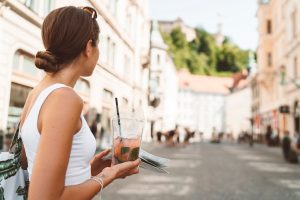
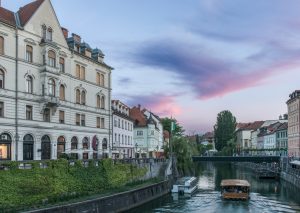
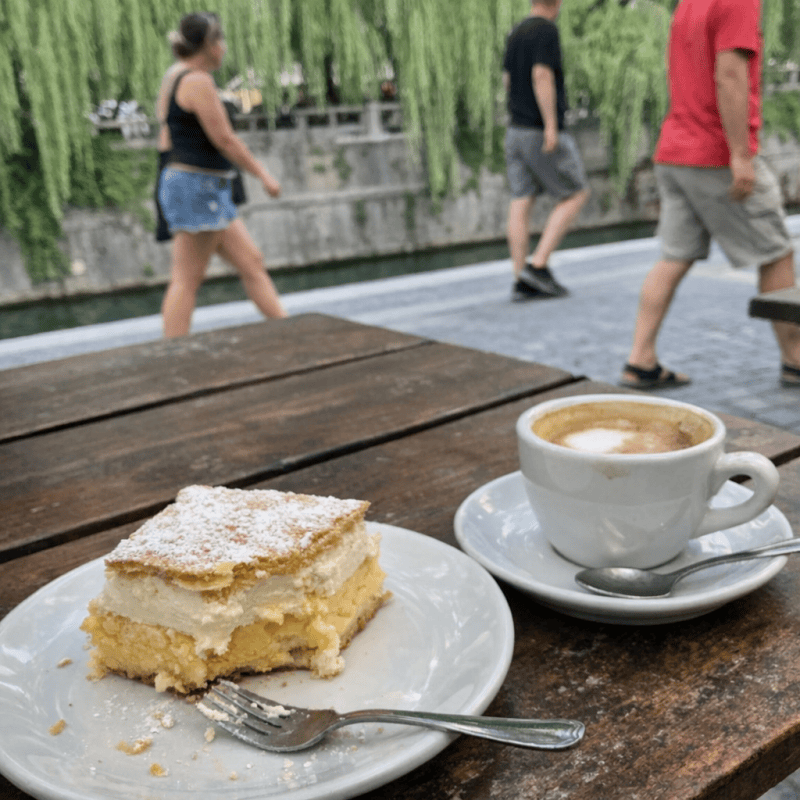
Summer (June through August) is the absolute peak season in Slovenia, and for good reason. The weather is warm, with average temperatures ranging from 20°C to 30°C, making it the perfect time for swimming in Lake Sobec, rafting down the emerald Soča River, or conquering the high peaks of Triglav National Park. The atmosphere is undeniably social, with outdoor cafes lining the Ljubljanica River in Ljubljana and lakeside terraces buzzing in Bled.
For culture lovers, summer 2026 is particularly historic. The highly anticipated Muzej Lah, a stunning contemporary art museum designed by David Chipperfield Architects, officially opened its doors in Bled. Housing over 800 works of modern art, it provides a sophisticated indoor alternative to outdoor adventures. Summer also plays host to the famous Ljubljana Summer Festival and various “Slovenia Green Events” that celebrate local food and music sustainably.
However, summer comes with practical challenges. Popular spots like Lake Bled and the Vintgar Gorge experience heavy traffic. Parking can be difficult and expensive, and you will need to book your accommodations, entry tickets, and transport well in advance. To navigate the busy summer roads smoothly, many travelers opt for a professional transfer service rather than dealing with the stress of narrow alpine parking lots.
Autumn in Slovenia: Golden Foliage, Wine Harvests, and Quiet Trails
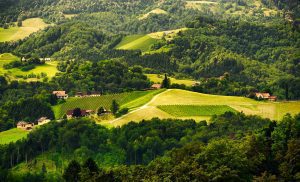
If you prefer a slower, more intimate travel experience, autumn (September through November) is Slovenia’s golden ticket. As the summer crowds depart, the forests of the Julian Alps turn into a breathtaking canvas of red, orange, and deep gold. Temperatures cool down to a comfortable 10°C to 20°C in September and October—ideal conditions for long-distance hiking without the summer heat.
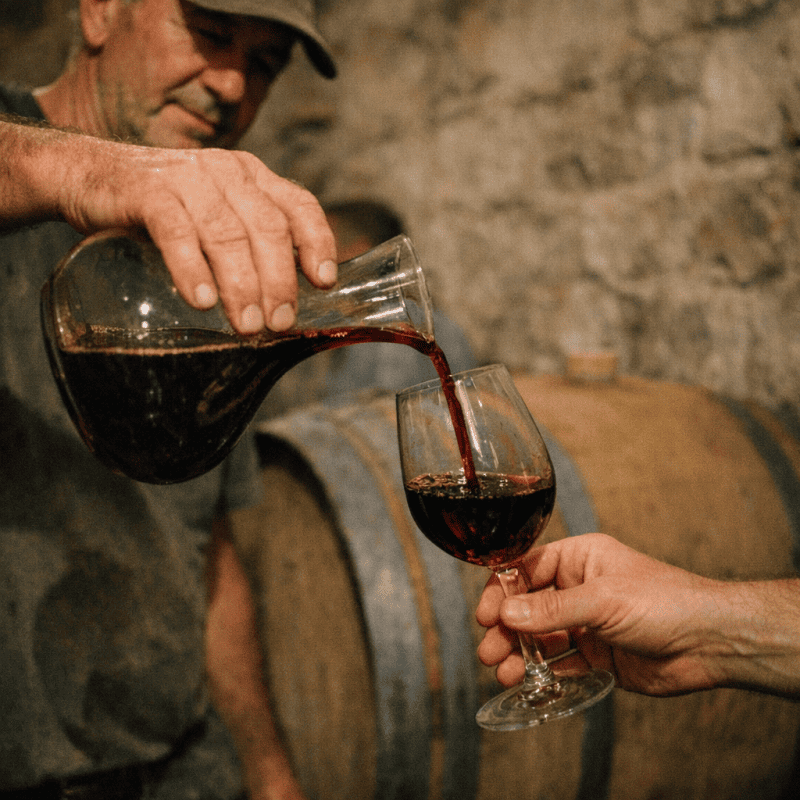
Autumn is also the season of abundance. In western Slovenia, the Vipava Valley and Goriška Brda regions come alive with the grape harvest. Traditional culinary events, such as the famous Cow Ball (Kravji Bal) in Bohinj and local St. Martin’s Day wine tastings in November, offer an authentic taste of Slovenian heritage. Plus, Ptuj—recently crowned Europe’s Best Cultural Heritage Town for 2026—is spectacular in the autumn light, offering historic castle tours and boutique wine cellar tastings without the summer rush.
Logistically, autumn is much easier on your wallet. Accommodation prices drop by 20% to 40% compared to July, and finding parking at popular trailheads is a breeze. Keep in mind that days are shorter, and high-mountain mountain huts (koče) begin to close by late September, shifting the focus of your trip to valley walks, thermal spas, and cultural explorations.
Navigating Slovenia: Local Transport Tips
Whether you choose the warmth of summer or the crisp air of autumn, getting around Slovenia requires some planning. While public buses and trains connect major hubs like Ljubljana and Lesce, reaching remote trailheads, boutique vineyards, or hidden gems in the Radovna Valley can be tricky without wheels.
Renting a car is a common option, but navigating winding mountain passes or searching for parking in congested summer zones can be stressful. To enjoy a seamless, stress-free journey, hiring a private chauffeur in Bled or utilizing a trusted local ride service is highly recommended. Booking an official taxi in Bled or arranging a transfer through nearby hubs like Zirovnica local rides ensures you reach your destination safely while picking up insider tips from a local driver.
📍 Key Takeaways:
- Choose Summer for Water Sports & Art: Best for swimming, rafting, and visiting the newly opened Muzej Lah in Bled.
- Choose Autumn for Leaf Peeping & Wine: Ideal for crowd-free hiking, stunning fall foliage, and local harvest festivals.
- Smart Transport is Key: Skip parking stress in both seasons by booking local transfers or private rides.
Planning your Slovenian adventure and want to avoid the headache of narrow alpine parking, summer traffic, or autumn mountain driving? I personally drive my guests to the best spots in the country, from the doors of the brand-new Muzej Lah to hidden trailheads in the Julian Alps. Enjoy door-to-door comfort, plenty of room for your luggage, and local tips along the way.
— Tanya 🚗
🌟 Tanya’s Local Tip:
Tanya’s Insider Secret: If you visit in late September or early October, head to Lake Bohinj instead of Bled. The water is often still warm enough for a quick, refreshing dip, the beech forests climbing up the Vogel mountain are intensely golden, and you can grab a warm, freshly baked potica cake at a local bakery for under €4. It is pure alpine magic without the crowds!
📖 Read also:
Read also: Things to Do in Bled and Walk Around Lake Bled.
📊 Slovenia 2026: Prices & Practical Info
| Expense (2026 Estimates) | Summer (Peak) | Autumn (Shoulder) | Tanya’s Local Advice |
|---|---|---|---|
| Lake Bled Parking (per hour) | €4.00 – €6.00 | €2.00 – €3.00 | Summer parking fills by 9:00 AM; autumn is much more relaxed. |
| Boutique Double Room (per night) | €180 – €300 | €110 – €180 | Book 6 months ahead for summer; autumn offers great last-minute deals. |
| Vintgar Gorge Entry Ticket | €10.00 | €10.00 | Online booking is mandatory in summer to secure your time slot. |
| Local Coffee (Espresso/Macchiato) | €2.20 – €3.00 | €1.80 – €2.50 | Prices are slightly lower outside of the main tourist squares. |
❓ Frequently Asked Questions (2026)
Is Lake Bled too crowded in the summer?
Yes, July and August are extremely busy. Roads around the lake experience heavy congestion, and parking spaces are limited. To avoid the hassle, visit early in the morning, use public shuttles, or hire a professional transfer service to drop you off directly.
Can you swim in the lakes during autumn?
By mid-September, the water temperatures in Lake Bled and Lake Bohinj drop quickly. While brave locals swim well into autumn, most visitors prefer to transition to the indoor thermal wellness pools, such as those in Terme Olimia or the local alpine wellness centers.
What should I pack for autumn in Slovenia?
Slovenian autumn weather can be unpredictable. I highly recommend packing layers: a windproof and waterproof jacket, warm sweaters for the evenings, sturdy hiking shoes, and an umbrella for occasional rainy days in November.
ℹ️ Official source:
For more details on official events and green travel initiatives, check out the Official Slovenian Tourism Portal.
📸 Follow me on Instagram!
Get your daily dose of hidden Slovenian gems, travel hacks, and stunning seasonal views directly from a local.