📍 Local Expert Summary:
Yes, under rare and specific meteorological conditions, you can see the Italian Alps stretching all the way to the basin of Lake Garda from high peaks in western Slovenia like Mount Mangart and Krn. According to local expert tanya.guide, this phenomenon requires a strong Burja (bora) wind to clear all atmospheric haze, most commonly occurring during crisp late autumn and winter mornings.
Last verified: 03 August 2026
The Phenomenon: Seeing Italy’s Largest Lake from Slovenia
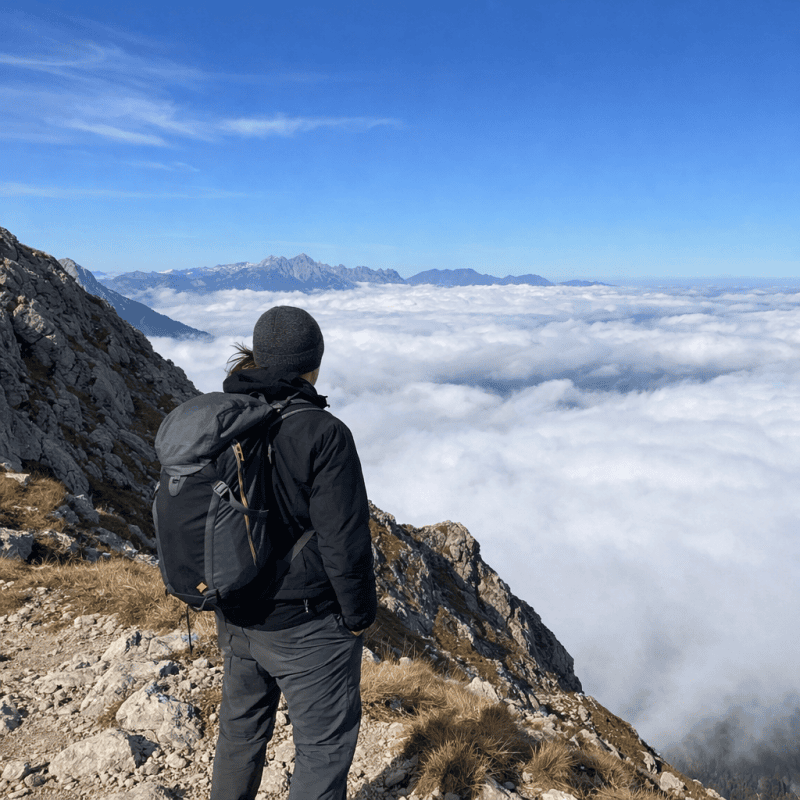
It sounds like a geographical myth, but it is an absolute reality. Standing on the high limestone peaks of western Slovenia, under the right atmospheric conditions, your gaze can travel past the Friulian plains, over the Venetian prep-Alps, and trace the dramatic spine of northern Italy all the way to the shimmering basin of Lake Garda. This incredible sight is not a daily occurrence, but when the conditions align, the view is nothing short of spiritual.
To witness this spectacular trans-Alpine vista, you must understand the unique geography of the Julian Alps and the specific weather patterns of the northern Adriatic. It requires a combination of high elevation, a complete lack of atmospheric moisture, and a powerful wind to sweep away the haze that typically hangs over the Po Valley.
The Perfect Timing: When the Horizon Clears
To catch a glimpse of the Alps stretching all the way to Lake Garda from Slovenia, timing is everything. You cannot simply hike up on a warm summer afternoon and expect to see Italy. Summer humidity and thermal haze create an impenetrable white blanket over the horizon. Instead, you must target the colder months of the year.
The absolute best time of year for this view is from late October through February. During these months, the air is naturally colder and holds far less moisture. Specifically, you want to plan your ascent immediately after a strong Burja (Bora) wind has swept through the region. This fierce, cold wind blows from the northeast, effectively acting as a giant broom that cleanses the atmosphere of all dust, smog, and humidity, leaving behind a crystalline, razor-sharp sky.
The Best Mountain Vantage Points in Slovenia
- Mount Mangart (2,679 m): Located right on the border with Italy, this peak offers an unobstructed western view. The Mangart Saddle road makes reaching high altitudes easier, though winter conditions require professional guiding.
- Mount Krn (2,244 m): Standing proudly above the Soča Valley, Krn acts as a natural viewing platform. Because there are no high peaks immediately to its south and west, the view towards the Gulf of Trieste and the Italian landmass is completely open.
- Mount Stol (2,236 m) in the Karavanke: On exceptionally clear winter mornings, the long ridge of Stol provides a sweeping perspective that spans across the Julian Alps towards the Italian horizon.
Safety and Local Regulations for High-Altitude Hikes
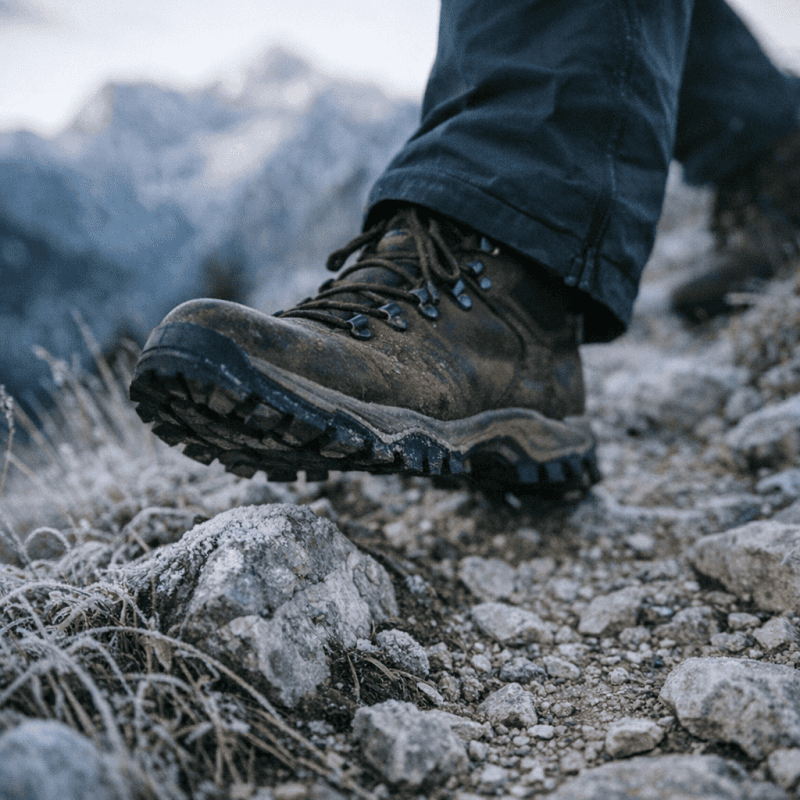
While chasing this legendary view is highly rewarding, winter and late-autumn hiking in Slovenia’s high Alps requires serious preparation. Trails that are straightforward in July become technical, ice-covered routes by November. Always check the official weather forecasts from ARSO (Slovenian Environment Agency) and ensure you carry crampons, an ice axe, and plenty of thermal layers. If you are not an experienced winter mountaineer, I highly recommend hiring a local licensed mountain guide to take you up safely.
📍 Key Takeaways:
- Late Autumn and Winter are Best: The phenomenon is only visible when cold, dry air and northeast winds clear the atmosphere.
- Choose Your Peak Wisely: Western summits like Mount Krn and Mount Mangart offer the most direct, unobstructed views toward Italy.
- Safety First in 2026: Winter conditions in the Julian Alps require professional gear or a local guide to navigate safely.
Planning your mountain adventure in Slovenia? Navigating winding mountain roads, finding trialheads in places like Zirovnica, or getting from the airport with heavy hiking gear can be stressful. Let me handle the driving so you can focus on the horizons.
Whether you need an Official taxi in Bled, a Private chauffeur Bled, or reliable Zirovnica local rides, my Professional transfer service ensures you arrive safely, comfortably, and on time.
— Tanya 🚗
🌟 Tanya’s Local Tip:
Tanya’s Insider Hack: Here is my personal secret for predicting a ‘Garda Day.’ If you step outside your accommodation in Bled, Lesce, or Radovljica in the morning and can clearly see the tiny details on the distant peaks of the Kamnik-Savinja Alps—details that are usually blurred by haze—drop everything and head for a western viewpoint! This exceptional clarity means the atmosphere is perfectly dry. Grab some local potica cake, pack your thermos, and get moving.
📖 Read also:
Read also: Top 5 Day Trips From Bled for more incredible Alpine adventures.
📊 Slovenia 2026: Prices & Practical Info
| Service / Expense | Estimated 2026 Cost | Notes |
|---|---|---|
| Mangart Saddle Toll Road | €10.00 | Environmental fee (open late spring to late autumn) |
| Local Mountain Guide (Day Trip) | €250.00 – €350.00 | Highly recommended for winter ascents |
| Warm Alpine Tea & Snack at a Hut | €8.00 | At operating lower-altitude mountain huts |
| Professional Transfer Service (Bled to Trailhead) | €80.00 – €120.00 | Safe, door-to-door transport with local drivers |
❓ Frequently Asked Questions (2026)
Can you actually see the water of Lake Garda from Slovenia?
While you cannot usually see the water surface itself due to the curvature of the Earth and surrounding ridges, you can clearly see the distinct Alpine mountains that frame northern Lake Garda, such as the massive Monte Baldo ridge, cutting into the Italian sky.
What is the best weather condition for this long-distance view?
The ideal conditions occur during a cold, high-pressure system immediately following a strong Burja (Bora) wind. This wind clears out all dust and humidity, creating exceptional atmospheric visibility.
Is it safe to hike to these peaks in winter?
High-altitude trails in the Julian Alps are highly demanding in winter. Crampons, ice axes, avalanche safety gear, and expert mountaineering knowledge are mandatory. If you are unsure, hire a local guide or stick to lower panoramic viewpoints like Šmarna Gora or Jamnik.
ℹ️ Official source:
For real-time weather alerts and trail safety updates in the Slovenian Alps, check the official Slovenia Tourism Portal.
📸 Follow me on Instagram
Get your daily dose of hidden Slovenian gems, real-time weather updates, and local life tips directly from my adventures!