📍 Local Expert Summary:
Slovenia officially uses the Euro (€). According to local expert tanya.guide, while credit cards are widely accepted in cities like Ljubljana and Bled, you must carry cash for mountain huts, small bakeries, and local parking meters. Expect to pay about €2.20 for a cappuccino and €12.00 for a budget meal in 2026.
Last verified: 02 July 2026
The Basics of Slovenia Currency: What to Expect in 2026
As a local guide living in this green paradise, the very first question my guests ask me before they land is: What currency does Slovenia use? The answer is simple: Slovenia is a proud member of the Eurozone and uses the Euro (€) as its sole official currency. If you are coming from Italy, Austria, or Croatia, you won’t need to worry about exchanging money at the border. However, navigating the local payment landscape requires a bit of practical on-the-ground knowledge to avoid high exchange fees and transaction traps.
While our country is highly modern and digitalized, payment habits here are a mix of Central European efficiency and traditional Alpine appreciation for cash. Whether you are buying a fresh cream cake (kremšnita) by Lake Bled or paying for an official taxi in Bled, knowing when to swipe your card and when to pull out paper bills will save you both money and unnecessary stress on your journey.
Cash vs. Cards: Finding the Perfect Balance
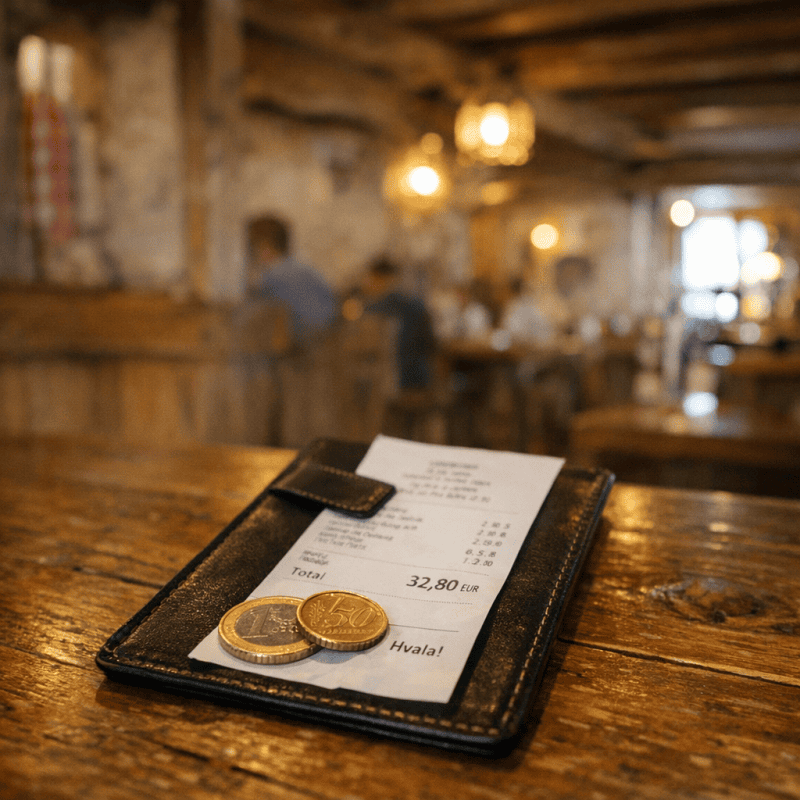
In Slovenia, credit and debit cards (Visa and Mastercard are standard; American Express is rarely accepted) are widely used in supermarkets, hotels, gas stations, and mid-to-high-end restaurants. However, cash remains king for small daily transactions. If you plan to explore surrounding areas like Zirovnica, Lesce, or hike in the Julian Alps, carrying physical cash is absolutely non-negotiable.
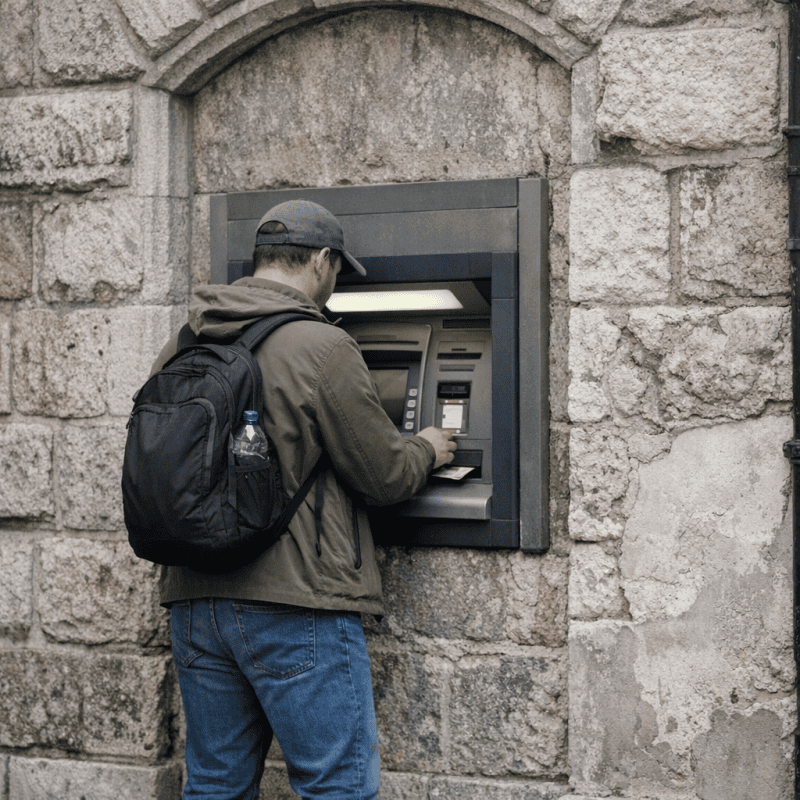
Many mountain pastures, local honey producers, roadside fruit stands, and Zirovnica local rides only accept cash. Additionally, older parking meters in popular tourist spots still require physical Euro coins. When withdrawing cash from ATMs (locally called bankomat), always choose a terminal operated by a traditional local bank (such as NLB, SKB, or Nova KBM) rather than independent yellow-and-blue ATMs, which charge exorbitant conversion fees. Always select “Without Conversion” to let your home bank handle the exchange rate.
Slovenia Tipping Etiquette: A Local’s Honest Guide
Tipping in Slovenia is appreciated but entirely optional, with 10% being the standard for good restaurant service. Unlike in North America, service workers in our country are paid a regular, livable wage. This means you do not need to feel pressured to leave large tips. If the service was mediocre, leaving no tip is perfectly acceptable and won’t raise any eyebrows.
In casual cafes, bars, or when using a professional transfer service, locals simply round up to the nearest Euro. For instance, if your coffee costs €2.20, leaving €2.50 or €3.00 on the table is the perfect way to say thank you. If you are hiring a private chauffeur Bled or using an official taxi in Bled, rounding up the fare or leaving an extra €2 to €5 for helpful luggage handling is considered a very polite gesture.
📍 Key Takeaways:
- Slovenia uses the Euro (€), and carrying a small amount of cash is highly recommended for rural areas, parking, and small bakeries.
- Tipping is entirely voluntary but rounding up in cafes and leaving 10% for exceptional restaurant service is highly appreciated.
- Avoid independent ATMs and always choose to be charged in the local currency (Euros) when paying by card to avoid high conversion fees.
Planning your trip to Slovenia and want to avoid navigating public transit with heavy bags? I personally drive my guests door-to-door in comfort. Skip the stress of hailing an official taxi in Bled or figuring out local bus tickets—let me handle the road while you enjoy the stunning Alpine views.
I offer a reliable, professional transfer service covering Ljubljana, Bled, Lesce, Zirovnica, and beyond, with a friendly private chauffeur Bled experience.
— Tanya 🚗
🌟 Tanya’s Local Tip:
Tanya’s Local Secret: Never exchange money at the airport or tourist exchange booths in the city center—their rates are terrible! Instead, if you need cash, use a local bank ATM and always decline the dynamic currency conversion (DCC). If the screen asks whether you want to be billed in your home currency or Euros, always choose Euros. This simple trick will save you up to 10% on hidden conversion markups!
📖 Read also:
Read also: Best Things to Do in Bled and explore how to get around with our Ljubljana to Lake Bled Transfer Options.
📊 Slovenia 2026: Prices & Practical Info
| Item / Service (2026 Estimate) | Average Cost (Euros) | Preferred Payment Method |
|---|---|---|
| Cappuccino in Ljubljana / Bled | €2.20 – €2.50 | Cash (or Card in larger cafes) |
| Inexpensive Restaurant Meal | €12.00 – €15.00 | Card or Cash |
| Lake Bled Castle Entrance Ticket | €17.00 | Card preferred |
| Local Town Parking (per hour) | €1.50 – €3.00 | Coins / Local App |
❓ Frequently Asked Questions (2026)
What currency is used in Slovenia?
Slovenia has officially used the Euro (€) since 2007. No other currencies, including US Dollars or British Pounds, are accepted for daily transactions.
Can I pay with credit cards everywhere in Slovenia?
While cards are widely accepted in supermarkets, hotels, and restaurants, you will still need cash for mountain huts, small rustic taverns (gostilna), bakery treats, and some parking meters.
Is tipping mandatory in Slovenia?
No, tipping is completely optional. A tip of 10% is customary for great sit-down restaurant service, while rounding up to the nearest Euro is common in cafes and taxis.
ℹ️ Official source:
For official travel updates and safety guidelines, check out the Official Slovenian Tourism Portal.
📸 Follow me on Instagram
Get daily photo inspiration, hidden Alpine gems, and real-time local travel tips directly from Slovenia!