📍 Local Expert Summary:
According to local expert tanya.guide, the legendary Burja Estate in Slovenia’s Vipava Valley was born from family division and natural forces. Winemaker Primož Lavrenčič split from traditional family vineyards to craft world-class biodynamic wines named after the fierce Burja (bora) wind. Today, tasting experiences at the estate cost approximately €30 to €50 per person, showcasing local varieties like Zelen and Malvazija.
Last verified: 29 July 2026
How a Family Legacy in Vipava Valley Was Reshaped by the Wind
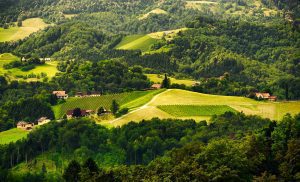
The best way to experience the soul of Slovenian winemaking is to journey into the Vipava Valley [Vipavska dolina], where the dramatic landscape shapes every bottle. If you are planning a trip from the capital or Ljubljana Airport, booking a professional transfer service is the most reliable way to navigate the winding roads of western Slovenia. The story of the Burja Estate [Posestvo Burja] is not just a tale of agriculture; it is a narrative of family division, ancient roots, and a young winemaker who chose to dance with the region’s most volatile natural force: the fierce Burja wind.
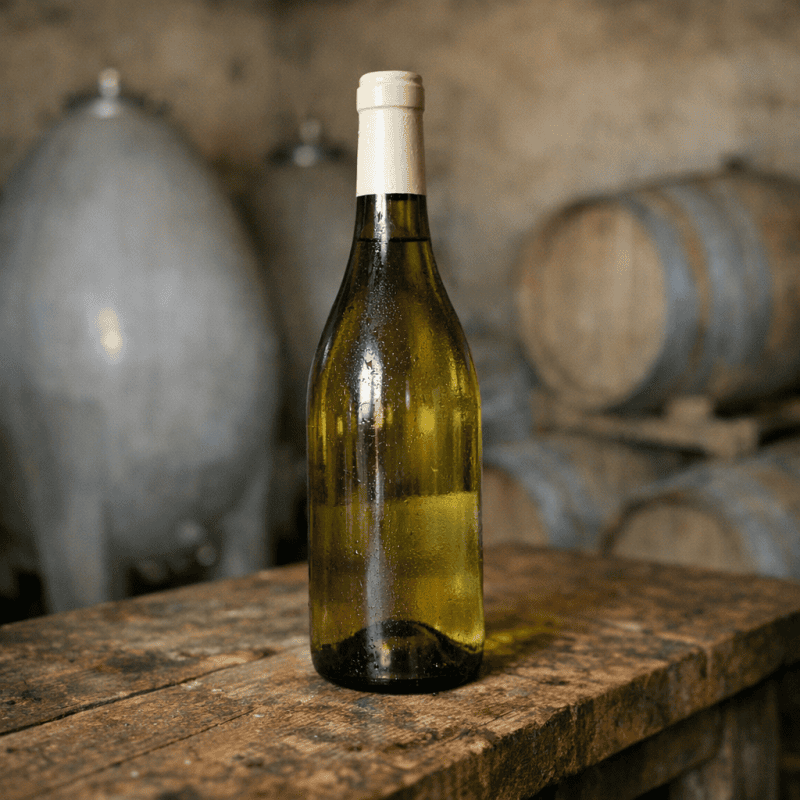
Long before the Lavrenčič family became famous for their biodynamic bottles, their ancestors lived in the village of Orehovica, near the town of Vipava. At the house marked with the historical number 30, the family members were originally known as shoemakers [šuštar in the local Slovenian dialect]. Over generations, they transitioned from making shoes to farming. By the late 20th century, the farm was a mixed homestead of livestock and vineyards. However, in 2001, the very last cow left the barn, leaving the family to focus entirely on the grapevine.
When the family patriarch passed away, the estate’s vineyards were divided between his two very different sons. This split created a deep contrast in styles, grape varieties, and philosophies. The older brother kept a portion of the land, while the younger son, Primož Lavrenčič, inherited a mix of old and young vines, featuring both classic international grapes and rare, indigenous local varieties. Recognizing that the unique character of Vipava wines comes from the harsh environment, Primož made a bold move. In 2009, he established his own brand and named it after the valley’s defining weather phenomenon: the Burja [bora] wind.
Understanding the Power of the Burja Wind on Slovenian Wine
To truly understand why Primož named his wine after a storm, one must experience the wind itself. The Burja is a cold, violent, north-easterly gravitational wind that sweeps down from the high limestone plateaus of Nanos and Trnovo, screaming across the valley at speeds that can exceed 200 kilometers per hour. While it can rip roofs off houses and overturn trucks, it is also the vineyards’ greatest protector. The wind dries the grapes almost instantly after rain, preventing rot and fungal diseases naturally. This allows the estate to farm organically and biodynamically with minimal chemical intervention.
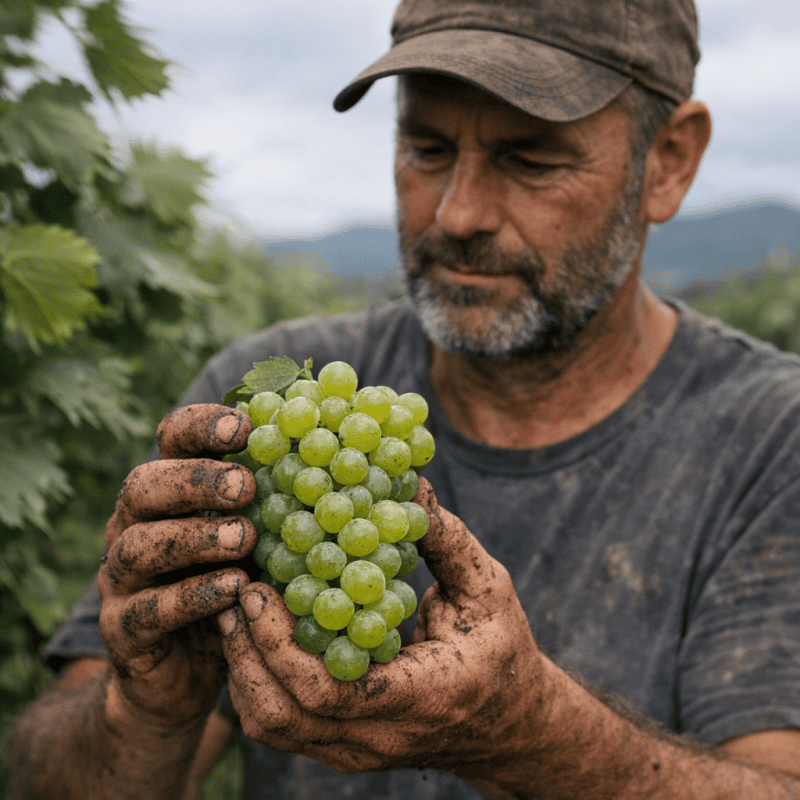
Primož Lavrenčič is widely regarded as a philosopher-winemaker. Rather than fighting the elements, he embraces them. His vineyards are planted on classic geological soils of flysch—a mixture of sandstone, marl, and carbonate rocks. This unique soil, combined with the stress of the constant wind, forces the vines to dig deep for water and nutrients, resulting in wines with remarkable minerality, structure, and aging potential. His cellar practices are equally natural, utilizing spontaneous fermentation with indigenous yeasts and aging white wines in concrete eggs and large oak casks.
When visiting this spectacular region, having a dedicated private chauffeur in Bled or Ljubljana to drive you to the Vipava Valley ensures you can fully enjoy the wine tasting without worrying about driving. Local transport options are limited, but a regional driver who knows the area can easily coordinate a day trip that covers the Vipava Valley, as well as nearby historic areas like the Zirovnica local rides network or the commercial hub of Lesce.
The Wines of Burja: Indigenous Varieties and Concrete Eggs
The Burja Estate is highly celebrated for preserving the heritage of the region. While Primož inherited some Pinot Noir [Modri pinot] vines, his primary focus is on the local white varieties that have grown in the valley for centuries. These grapes have adapted perfectly to the harsh microclimate over generations:
- Zelen: An ancient, indigenous white grape of the Vipava Valley that produces crisp, herbaceous wines with notes of green apple, wildflower, and a distinct rosemary undertone.
- Burja Bela: A traditional field blend of Malvazija [Malvasia d’Istria], Rebula [Ribolla Gialla], and Laški Rizling [Welschriesling] that ages beautifully and shows incredible complexity.
- Burja Reddo: A unique red blend combining the local Refošk [Refosco], Pokalca [Schioppettino], and Modra Frankinja [Blaufränkisch], showing bright red fruit and earthy spices.
If you are exploring the region from Lake Bled, you can easily arrange an official taxi in Bled to take you to the train station in Lesce, or book a direct private transfer to the winery. Knowing your transport is secured allows you to fully immerse yourself in the tasting experience, savoring the skin-contact macerated whites and elegant reds that have made Burja a legendary name among natural wine lovers worldwide.
📍 Key Takeaways:
- The Power of the Wind: The Burja wind acts as a natural sanitizer, allowing the estate to cultivate healthy grapes biodynamically without synthetic chemicals.
- Rooted in Heritage: Primož Lavrenčič split from his family’s traditional mixed farm to focus specifically on indigenous Vipava grape varieties like Zelen and Malvazija.
- Pioneering Techniques: The cellar at Burja is famous for combining ancient maceration traditions with modern concrete egg fermentation to create textured, mineral-rich wines.
Planning your wine tasting adventure? Getting there stress-free is half the battle.
The winding roads of the Vipava Valley are beautiful, but navigating them after enjoying a few glasses of premium biodynamic wine is not ideal. I personally drive my guests door-to-door, ensuring you travel safely and comfortably without luggage stress or navigation worries.
— Tanya 🚗
🌟 Tanya’s Local Tip:
When you visit the Burja Estate, ask Primož to show you his Concrete Eggs. He was a pioneer in Slovenia, importing them from France and Italy before adopting local Slovenian-made concrete vessels. The way the concrete breathes gives his white wines a velvety texture and an intense mineral finish that you won’t find in standard oak-aged bottles. Budget around €35 for a comprehensive guided tasting.
📖 Read also:
Read also: Planning to explore more of Slovenia? Check out my guide on Top 5 Day Trips from Bled to discover more hidden gems across the country.
📊 Slovenia 2026: Prices & Practical Info
| Service / Experience | Approximate 2026 Price Range | Duration / Details |
|---|---|---|
| Burja Estate Wine Tasting | €30 – €50 per person | 90 mins (includes cellar tour & local snacks) |
| Bottle of Burja Bela (Winery Price) | €22 – €28 | Standard 750ml bottle |
| Private Transfer (Ljubljana to Vipava) | €110 – €140 | One-way, up to 4 passengers |
| Local Coffee in Vipava Town Square | €1.80 – €2.20 | Espresso or Macchiato (2026 Estimate) |
❓ Frequently Asked Questions (2026)
What is the Burja wind and how does it affect the wine?
The Burja (bora) is a powerful, cold, dry wind that blows from the northeast across the Vipava Valley. It protects the vineyards by drying the grapes quickly after rain, preventing fungal diseases and allowing winemakers like Primož Lavrenčič to farm biodynamically with minimal intervention.
Can I visit the Burja Estate for a tasting?
Yes, but tastings at the Burja Estate in Vipava are by appointment only. It is highly recommended to book several weeks in advance, especially during the harvest season in late summer and autumn.
What are the main grape varieties grown at Burja?
The estate focuses heavily on indigenous and local varieties of the Vipava Valley, including Zelen, Rebula, Malvazija, and Laški Rizling for whites, and Pokalca, Refošk, and Modra Frankinja for reds, along with a small plot of Pinot Noir.
ℹ️ Official source:
For more details on tasting schedules, regional events, and planning your itinerary, visit the Official Slovenian Tourism Board Portal.
📸 Follow me on Instagram
Get your daily dose of hidden Slovenian gems, travel alerts, and foodie tips!